

Quick answer
Direct answer: Custom bar signs can coordinate identity, menus, promotions, and wayfinding across a hospitality space. LA Prime Signs produces the approved sign products; the customer or qualified installer supplies final field dimensions, verifies placement and mounting, and handles installation.
Key takeaways
- Foam board belongs in dry, protected interiors; acrylic suits polished indoor displays; aluminum and exterior-grade PVC may suit exposed locations when specified correctly.
- Low light, colored lighting, reflections, and long viewing distances can make stylish type unreadable, so test hierarchy at final size.
- For a production quote, share approved artwork and copy, final dimensions, quantity, material, finish, placement-reference photos, exposure, mounting specifications, update frequency, and required date.
Specs & options
Specs
- Graphics
- Printed, cut-vinyl, or layered treatments selected for the chosen material
- Materials
- Aluminum, acrylic, foam board, PVC, vinyl
- Exposure
- Indoor, protected, or exterior specification based on sun, moisture, cleaning, and wind
- Finish
- Gloss, matte, clear, or textured appearance depending on material and lighting
- Sides
- Single- or double-sided where the support and viewing direction allow
- Handoff
- Finished signs produced to customer-approved dimensions; holes or hardware only when expressly listed in the written estimate
- Finished order
- The approved panels, inserts, banners, or vinyl graphics and only the other items listed in the written estimate
Options
- Aluminum signs — rigid panels for selected indoor or outdoor placements
- Acrylic signs — polished clear, translucent, or colored interior displays
- Foam board — lightweight panels for dry, short-term indoor use
- PVC signs — rigid plastic panels in thicknesses suited to the support and exposure
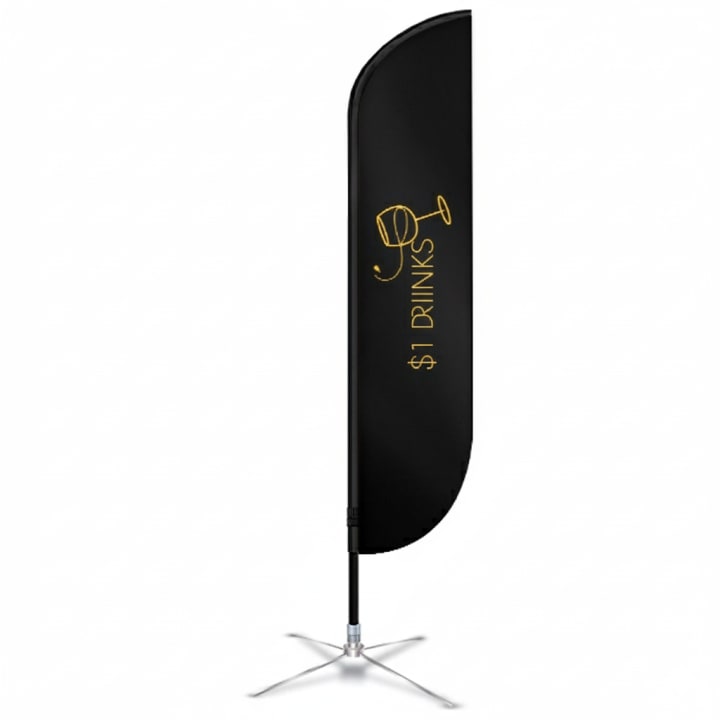
- Vinyl banners — flexible graphics for temporary or changeable promotions
Need help preparing files? See Artwork Setup.
Production inputs & handoff
Customer-supplied inputs
Final dimensions & specifications
- Supply customer- or installer-verified final width, height, thickness, quantity, sides, shape, edge, hole, and hardware dimensions for every sign product.
- Provide the approved location schedule, viewing distance, lighting, surface or support, exposure, cleaning routine, and update frequency.
- Verify mounting design, structural suitability, electrical conditions, property criteria, permits, code requirements, access, and field fit before production.
Artwork & production files
- Provide final menu copy, service notices, prices, rules, directions, logo files, brand colors, photographs, and vector cut paths as applicable.
- Approve spelling, pricing, hierarchy, legibility, dimensions, orientation, sides, finish, and every changeable insert or variation.
- The customer is responsible for copy accuracy, translations, reproduction rights, and any required hospitality, safety, or accessibility review.
Handoff requests
Installer handoff
- The finished order contains the approved panels, menu boards, inserts, banners, or vinyl graphics and only the standoffs, holes, hardware, or other items expressly listed in the written estimate.
- The customer or qualified installer verifies field fit, surface compatibility, mounting design, structural suitability, placement, access, and current requirements before installation.
Not included
- Site surveys, field measurements, on-site consultation, placement design, landlord coordination, permit handling, code or accessibility review, and menu or regulatory approval.
- LED, neon, cabinet, electrical, or illuminated signs; electrical design or connection; structural engineering; mounting design; and access coordination.
- Window application, banner hanging, mounting, installation labor, installer scheduling, on-site troubleshooting, repairs, and maintenance.
Good fit for
- Home bars — personalized name signs, decorative panels, and printed neon-style artwork
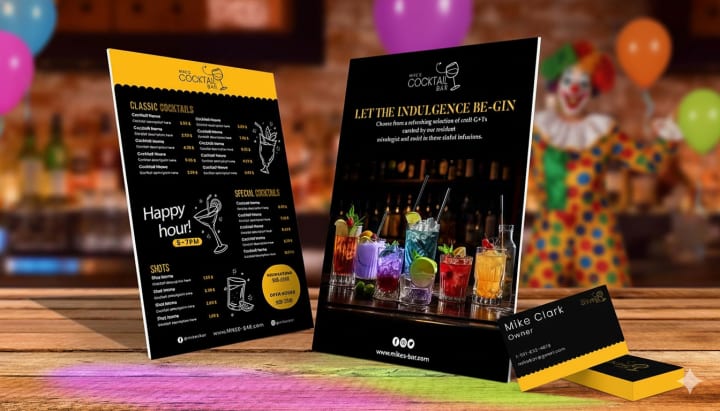
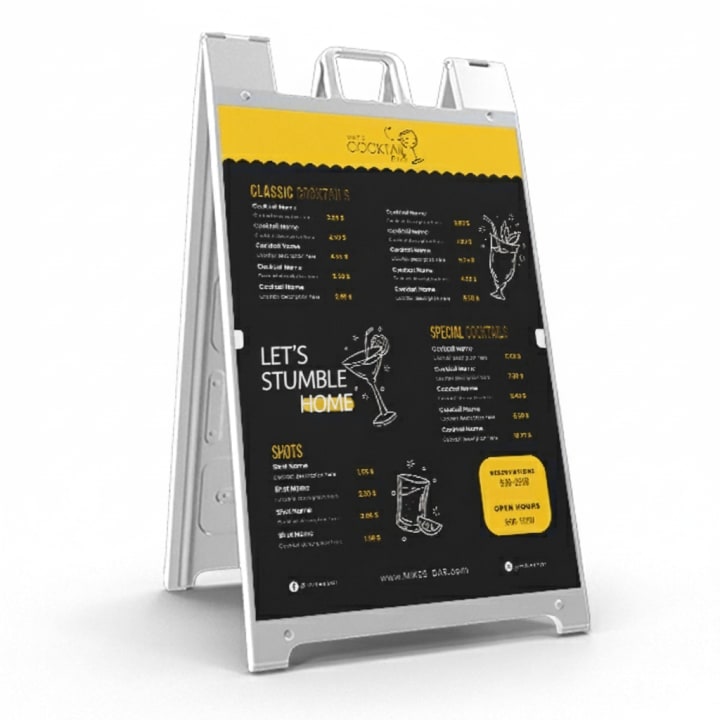
- Commercial bars — menu boards, brand identification, service notices, and guest wayfinding
- Restaurants and tasting rooms — coordinated wall, counter, door, and promotional signs
- Outdoor spaces — signs and banners produced to customer-approved exposure, support, and mounting specifications for patios, rooftops, and beer gardens
How it works
-
1) Supply the approved sign schedule
List each door, wall, counter, menu, patio, and directional product with customer-verified final dimensions, reference photos, viewing distance, lighting, exposure, and update frequency.
-
2) Match material and display method
Choose the panel or flexible graphic around exposure, cleaning, finish, weight, mounting surface, support, and whether one or two sides are visible.
-
3) Prepare and proof the artwork
Supply vector logos, final copy, brand colors, menu hierarchy, and cut paths. Review scale, legibility, finish, hardware clearances, and lighting assumptions.
-
4) Produce + hand off
The approved products are printed, cut, finished, and assembled only as listed in the written estimate. The customer or qualified installer verifies the site and completes placement, application, mounting, and installation.
FAQ
What are these signs for bars made of?
Common choices include aluminum, acrylic, PVC, foam board, and vinyl. The right one depends on whether the sign is rigid or flexible, permanent or changeable, indoor or exposed, one- or two-sided, washable, illuminated, and supported by the intended mount.
Can I put my custom bar signs outside?
Some aluminum, PVC, and banner constructions can be specified for exterior use, but “outside” is not one condition. Share sun orientation, coastal exposure, wind, rain, irrigation, cleaning, mounting height, and support details. Foam board is for protected, dry interior use.
What printing method is used for customizing bar signs?
The graphic method is chosen with the material, finish, quantity, detail, exposure, and update plan. This page covers non-illuminated printed, painted, cut-vinyl, or layered products; electrical and illuminated signs are not included.
What sign sizes can I choose from?
The customer or installer supplies final dimensions based on available space, reading distance, copy length, material limits, panel support, and field fit. Send those verified dimensions with a straight-on reference photo and mark the intended sign area.
Can I print on both sides of the sign for my bar?
Double-sided graphics may work for hanging, projecting, freestanding, or framed signs. The customer or installer must approve the support, edge finish, hardware clearances, wind exposure, and two viewing directions before artwork is finalized.