

Vinyl Lettering (Cut Vinyl)
Solid-color letters, numbers, and simple logos cut, weeded, and transfer-masked from approved vector paths for a customer-verified smooth surface.
- Solid-color cut graphics — a strong fit for crisp text and simple logos, not photographs or continuous gradients.
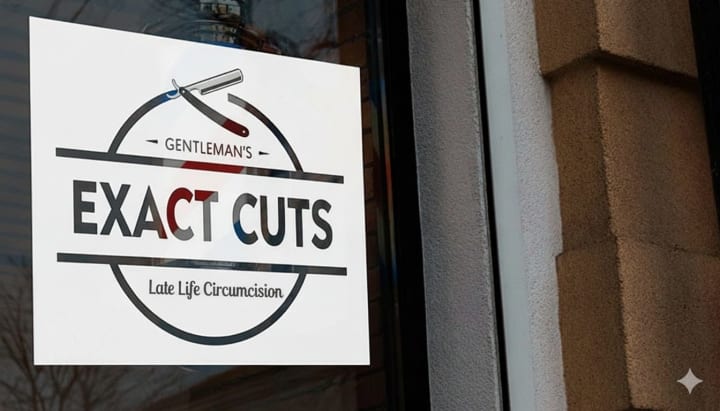
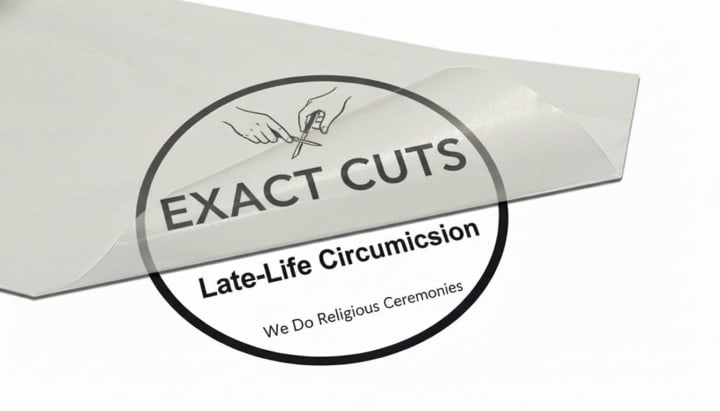
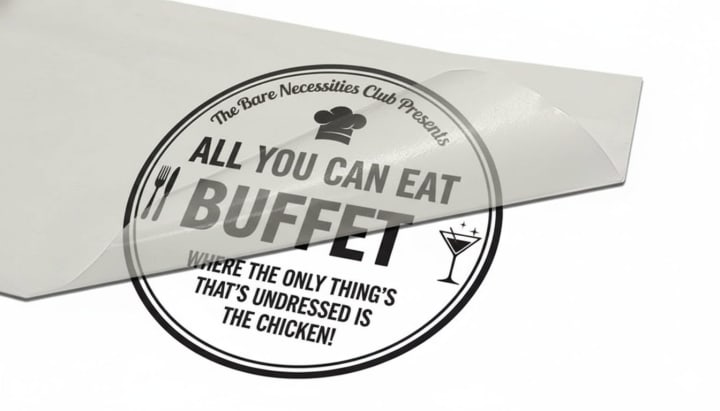
- Standard or reverse cut — keep the lettering alone or retain a surrounding vinyl field for a badge-like shape.
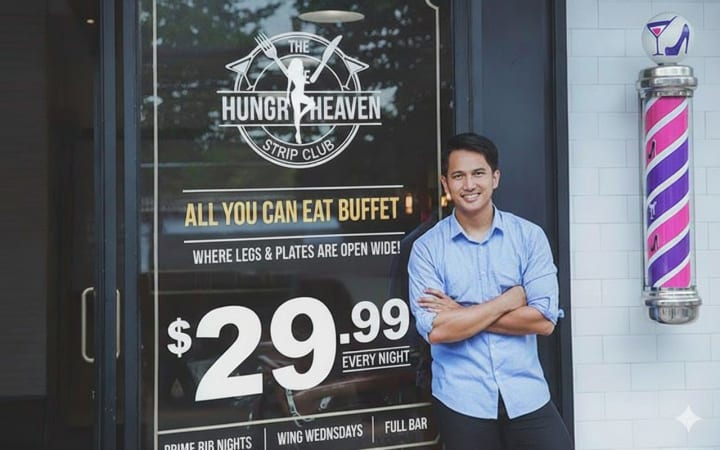
- Surface-specific film — glass, painted metal, finished panels, walls, and vehicles need different adhesive and removal planning.
- Weeded and transfer-masked — spacing stays aligned, while the installer still controls placement, pressure, temperature, and surface prep.
- Detail checked before cutting — tiny counters, hairline strokes, sharp points, and dense copy may need simplification or another print method.
The story
The Tiny Serif Was Adorable Until Somebody Had to Weed It
CUT-VINYL NOTES —
▾
Cut vinyl is at its best when the idea is decisive: a door number, hours, a one-color logo, a vehicle identifier, or a line of wayfinding text. Every unnecessary flourish becomes another tiny piece that has to cut, weed, transfer, adhere, and survive cleaning.
The surface is half the specification. Smooth glass and sound painted metal are different from low-energy plastic, dusty textured paint, fresh coatings, damaged vehicle finishes, or anti-graffiti and easy-clean treatments. Customer-supplied photos and a material description help with production guidance, but the customer or installer verifies final compatibility.
Exterior exposure adds another decision layer. Strong sun, coastal air, heat on dark glass or metal, and exterior cleaning affect film and color selection. Removal matters too: temporary does not mean residue-free on every substrate, and “permanent adhesive” does not mean permanent performance in every condition.