
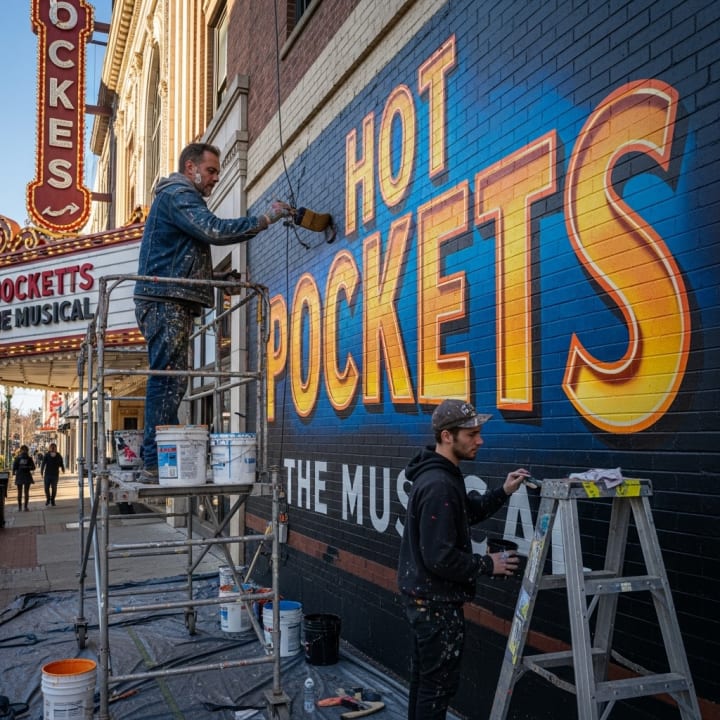
Quick answer
Direct answer: A hand-painted sign uses brush-applied lettering, logos, or illustration on a separately prepared sign, panel, or component. LA Prime Signs produces the approved piece in the shop; the customer or installer supplies final dimensions, verifies the site and mounting design, and handles installation.
Key takeaways
- A shop-painted panel keeps the hand-made finish on a separate component that the customer or installer can mount or replace.
- The customer must approve a compatible panel specification and disclose expected exposure, cleaning, and handling before production.
- For a useful production quote, share final dimensions, quantity, panel requirements, artwork, exact wording, color references, finish, expected exposure, mounting constraints, and the required date.
Specs & options
Specs
- Format
- Separately prepared shop-painted sign, panel, or component; no direct-to-wall field painting
- Substrate
- Customer-approved panel material and thickness confirmed in the written production estimate
- Artwork
- Vector logo or clean reference art, final wording, scaled layout, and named color references
- Paint system
- Primer, coating, and optional finish selected for substrate, handling, cleaning, and exposure
- Dimensions
- Final width, height, thickness, shape, edge, and mounting clearances supplied and approved by the customer or installer
- Finished order
- Only the painted sign, panel, component, and other items expressly listed in the written estimate
Options
- Panel format — Define the separate sign, panel, or component around the approved artwork and end use.
- Style direction — Vintage, bold, minimal, playful, illustrative, or clean modern.
- Finish planning — Select sheen and protective treatment only after the paint, substrate, and exposure are defined.
- Layout planning — Review a scaled production proof, margins, viewing distance, and color relationships before work begins.
- Care notes — Document cleaning limits for the approved paint, finish, and substrate.
Need help preparing files? See Artwork Setup.
Production inputs & handoff
Customer-supplied inputs
Final dimensions & specifications
- Supply customer- or installer-verified final width, height, thickness, shape, edge requirements, and any approved hole or clearance dimensions.
- Identify indoor, protected, or outdoor use plus expected sun, moisture, cleaning, handling, and viewing distance.
- Verify the intended mounting surface, mounting design, structural suitability, and fit before approving production.
Artwork & production files
- Provide final wording and vector PDF, AI, EPS, or SVG artwork when available; clean reference art can be reviewed for suitability.
- Name approved color references, style direction, margins, and any finish requirements on the production proof.
- The customer approves spelling, artwork scale, colors, layout, and reproduction rights before painting begins.
Handoff requests
Installer handoff
- The finished order contains the shop-painted sign, panel, or component described in the written estimate, produced to the approved artwork and specifications.
- The customer or qualified installer verifies field fit, selects the mounting system, and handles access, mounting, and installation.
Not included
- Direct-to-wall or other on-site painting, site surveys, field measurements, surface testing, wall preparation, and repairs.
- Mounting design, structural review, permits, code review, access or lift coordination, installation labor, and installer scheduling.
- On-site touchups, troubleshooting, maintenance, or a fixed outdoor lifespan.
Good fit for
- Shop-painted storefront sign panels supplied for customer or third-party installation.
- Painted identity panels that need a separate substrate or future replaceability.
- Interior feature signs for lobbies, cafés, studios, and hospitality spaces.
- Directional and identification panels that benefit from a human-made finish.
- Event, pop-up, and campaign sign components produced to an approved display specification.
- Replacement painted panels reproduced from customer-supplied files, dimensions, and approved color references.
How it works
-
1) Supply the production brief
Send customer-verified final dimensions, quantity, intended exposure, viewing distance, panel requirements, mounting clearances, and the required date.
-
2) Prepare artwork + specification
Confirm final wording, vector or reference artwork, color targets, approved substrate, paint system, finish, and edge requirements.
-
3) Approve the production proof
Review scale, letter detail, colors, dimensions, substrate, finish, exclusions, and every item included in the written estimate.
-
4) Paint + hand off
The approved sign, panel, or component is painted and finished in the shop. The customer or qualified installer verifies fit and completes mounting and installation.
FAQ
Do you paint directly on brick or textured walls?
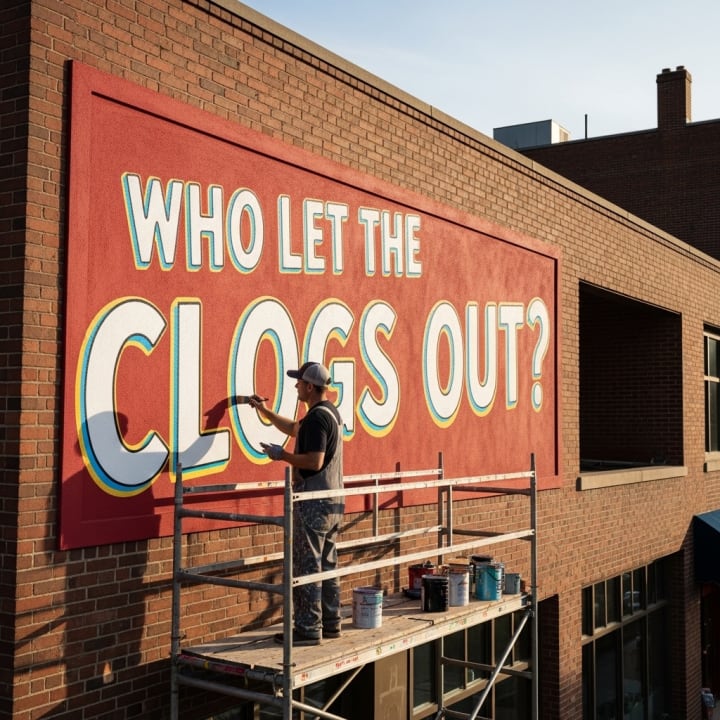
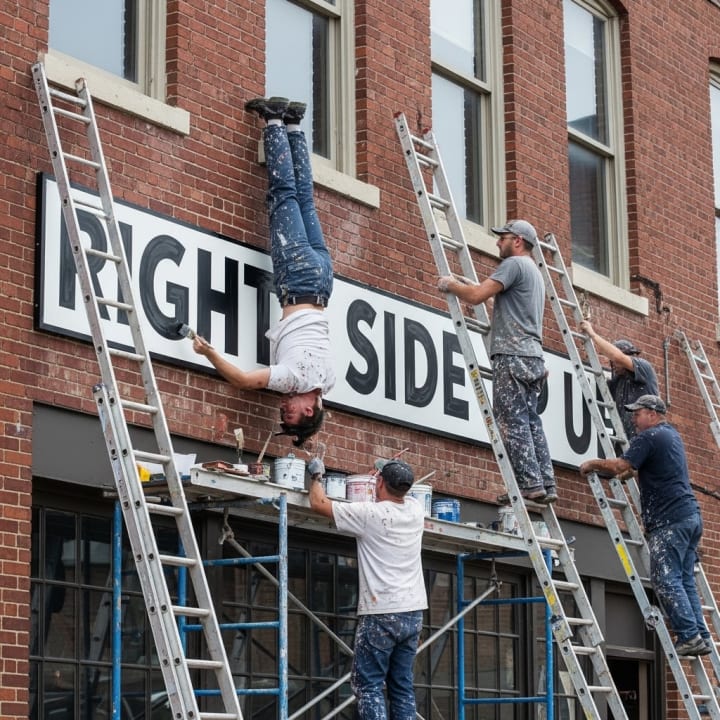
No. Current production is limited to signs, panels, and components painted in the shop. Some gallery images literally show field painting or installation, but those scenes are historical context rather than current service availability.
Can you match our brand colors?
Named brand colors, physical samples, and test swatches can guide the target. Substrate color, paint system, sheen, surrounding light, and normal batch variation affect how the finished color appears.
How long do hand-painted signs last outdoors?
There is no responsible fixed lifespan without the substrate, preparation, coating system, orientation, UV, moisture, cleaning, mounting, and maintenance conditions. Supply the expected exposure so the requested construction and its limitations can be documented.
Is this only for “vintage” styles?
No. Hand painting can support crisp geometric layouts, minimal palettes, illustrations, expressive lettering, or traditional sign-painter styles. The artwork still needs detail and scale suited to the brush process.
What do you need to start?
Send final customer-approved dimensions, quantity, panel requirements, artwork and exact wording, color references, intended exposure, mounting clearances, finish, and required date. Site surveys, field measurements, wall preparation, and installation are not included.