
Quick answer
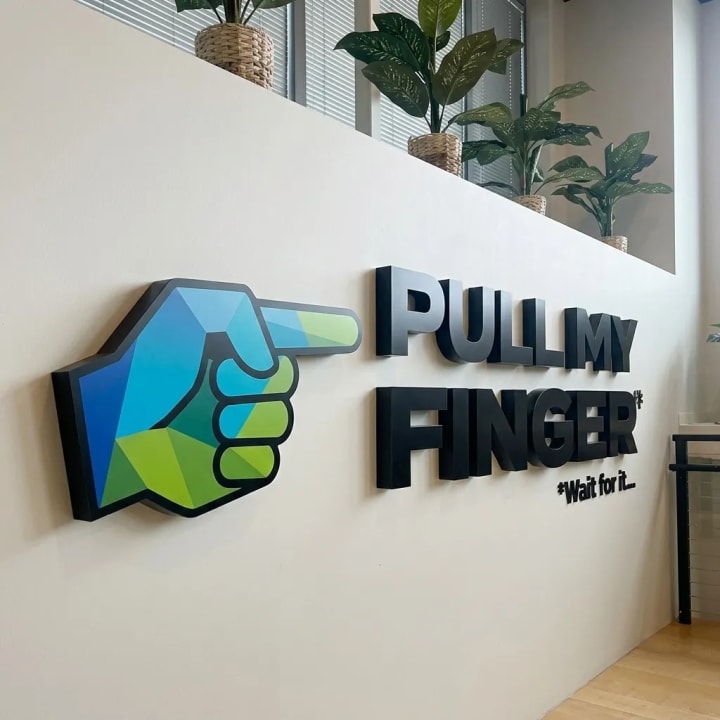
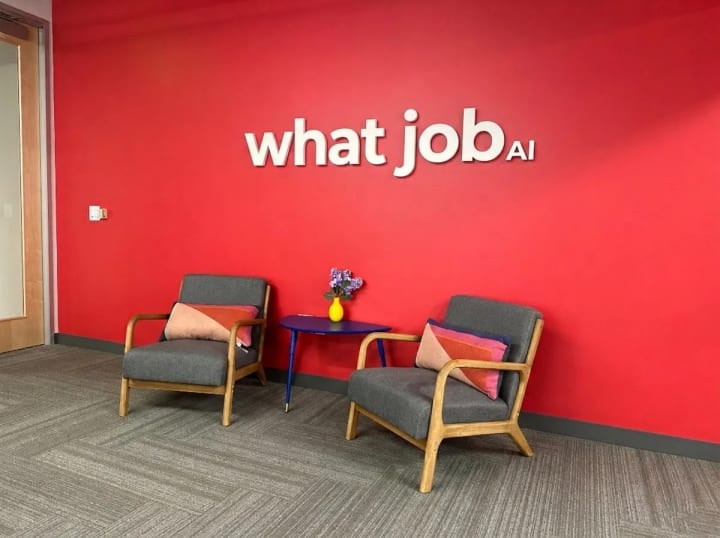
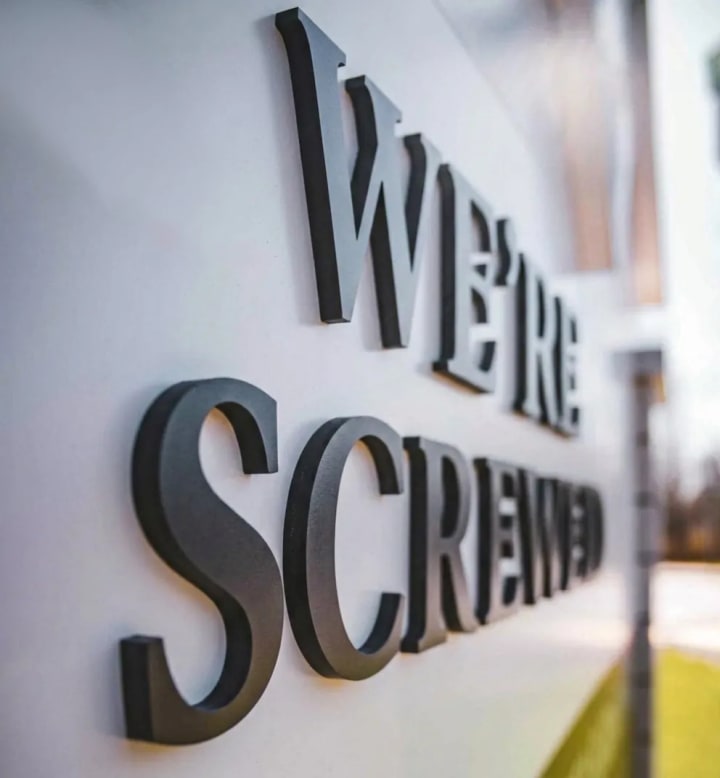
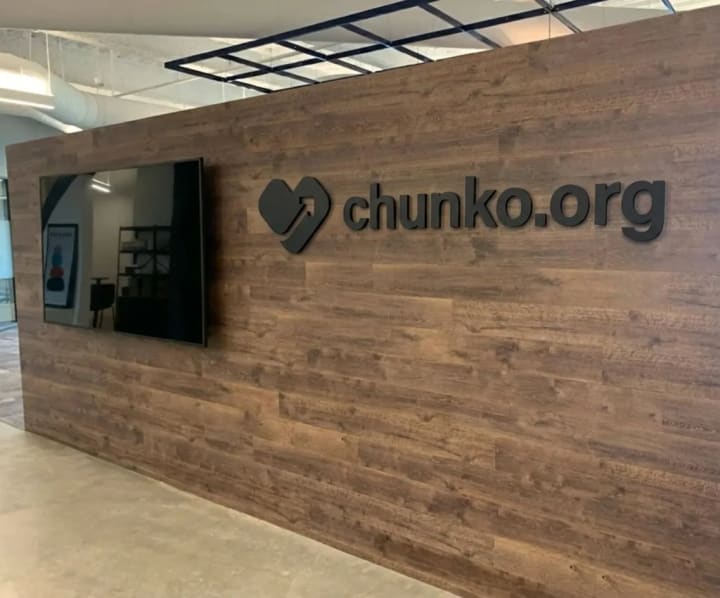
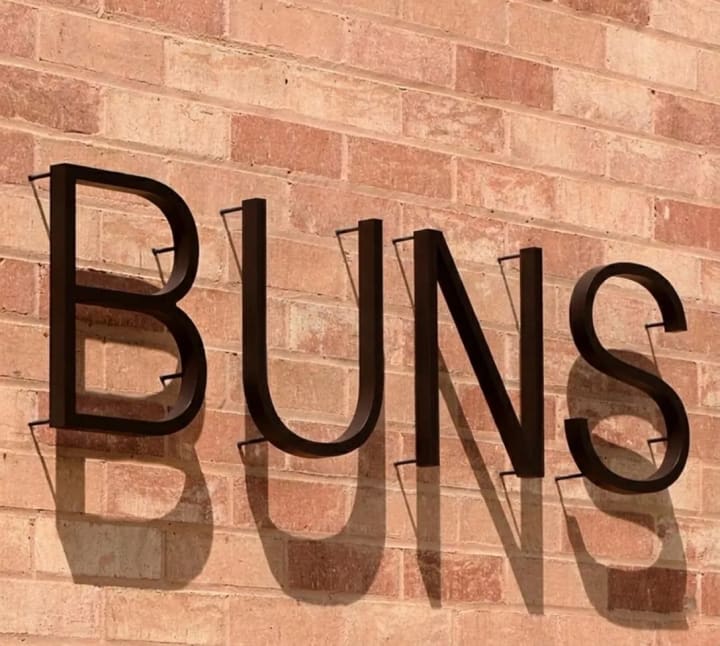
Direct answer: Dimensional signage turns a flat logo into separate non-illuminated letters or shapes with visible depth. Acrylic is a versatile starting point; formed plastic and metal offer different profiles, finishes, weights, and outdoor performance. LA Prime Signs fabricates the approved components while the customer or installer owns field verification and mounting design.
Key takeaways
- Letter height, stroke width, spacing, and depth should be judged together at the intended viewing distance.
- For exterior use, the customer or qualified installer verifies current property and jurisdiction rules for size, placement, attachment, and approvals; exposure may also require an appropriate finish specification.
- A useful production quote starts with vector artwork, customer-verified overall dimensions, quantity, exposure, finish references, and an installer-approved mounting-preparation drawing when needed.
Specs & options
Specs
- Acrylic Build
- Flat-cut letters and logo shapes; thickness selected for scale and depth
- Finish
- Painted colors selected from an approved brand reference
- Other Materials
- Formed plastic, fabricated metal, or cast metal by application
- Presentation
- Letter faces, returns, visible edges, and any reverse finish defined in the approved production drawing
- Exposure
- Interior or exterior, with material and finish matched to the stated conditions
- Mounting preparation
- Stud, stand-off, flush, panel, or pattern details only when selected and approved in the production specification
- Handoff
- Finished components are labeled as needed, checked against the approved layout, and protected for customer or installer handoff
Options
- Flat-cut acrylic letters and logos, including layered builds for added depth.
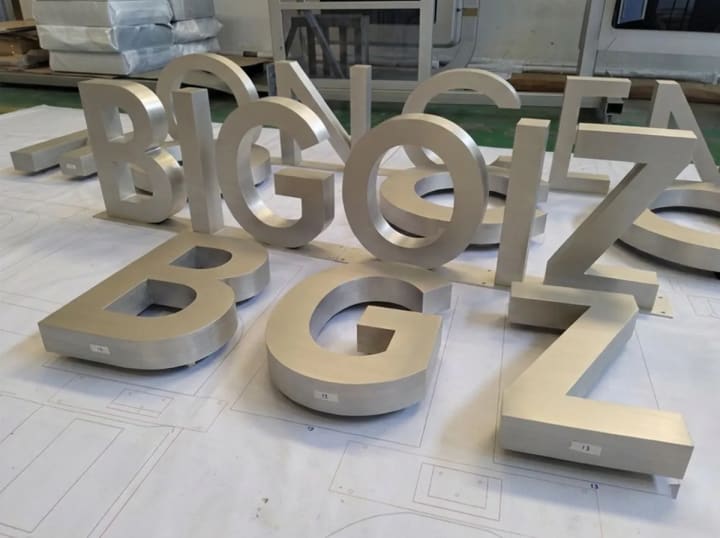
- Formed plastic letters with flat, round, beveled, or prismatic face profiles.
- Fabricated metal letters with deeper returns and architectural finish choices.
- Cast metal letters for substantial, traditional letter forms.
- Paint colors and sheen selected against supplied brand standards.
- Paper mounting pattern or specified hardware only when selected, dimensioned, and approved in the written production quote.
Need help preparing files? See Artwork Setup.
Good fit for
- Lobby logos and reception-wall identity signs.
- Retail wordmarks and branded feature walls.
- Medical, dental, and wellness front-desk signs.
- School and campus department identifiers.
- Property-management and multi-tenant directory headings.
- Restaurant, hotel, and venue brand marks.
How it works
-
1) Supply production inputs
Provide vector artwork, customer-verified overall dimensions, quantity, viewing distance, exposure, color references, and any approved mounting-preparation specification.
-
2) Approve the component plan
Review letter size, spacing, depth, material, finish, labels, and any exact stud or pattern locations before fabrication.
-
3) Fabricate + finish
Letters and logo shapes are cut, formed, painted or finished as quoted, and checked against the approved layout.
-
4) Label + protect for handoff
The finished components and any selected pattern or hardware are organized and protected for customer or third-party-installer handoff.
FAQ
What is your standard non-illuminated dimensional signage build?
Flat-cut acrylic is a practical starting point for many non-illuminated logos. Thickness, paint finish, and mounting still need to match the artwork, viewing distance, wall, and exposure rather than follow one fixed specification.
Can you color-match our brand exactly?
Supply a Pantone callout, paint specification, or physical brand sample when color is critical. A proof can confirm the selected reference, but sheen, substrate, and room lighting can affect how the finished color appears.
Which dimensional styles are most common?
Flat-cut acrylic is common for crisp interior logos, while formed plastic works well when a deeper, lightweight letter profile is preferred. Artwork detail and finish expectations help narrow the choice.
Which non-illuminated styles are usually the highest-investment options?
Fabricated and cast metal usually involve more material, finishing, and mounting work than flat-cut acrylic. Letter size, alloy, finish, wall conditions, and access all affect the final scope.
What is included with a dimensional sign order?
The order contains the approved non-illuminated letters or logo components with the quoted material, depth, finish, labels, and selected mounting preparation, protected for handoff. Field measurements, site surveys, mounting design, structural or electrical decisions, permits, code compliance, access, and installation are not included.
Can dimensional signage be used outdoors?
Yes, when the material and finish are specified for the exposure. Strong UV, coastal air, irrigation, and wind should be considered in the production specification; the customer or qualified installer separately approves adhesive, hardware, attachment, wall suitability, and structural requirements.
Do you support layered or multi-depth logos?
Layered acrylic or mixed-material builds can add hierarchy and shadow depth. The artwork needs enough clearance between fine details, fasteners, and overlapping pieces to fabricate and mount cleanly.
What do you need from us to quote accurately?
Send vector logo files, customer-verified overall dimensions, quantity, color references, exposure, desired depth, and any installer-approved stud, pattern, or hardware specification. The customer or installer separately verifies wall construction, placement, access, property rules, and installation conditions.
Production pathways and proof
Production parent
See storefront sign production for dimensional components and other installer-ready storefront products.
Related decisions
- Compare dimensional letters with acrylic panels
- Plan installer-ready production and handoff
- See the historical BetterUp/Bungal dimensional-letter project in San Francisco
The project record documents work produced and installed under the company’s previous operating model. Current orders are production only.