
Production Only
Printing, cutting, fabrication, painting, finishing, assembly, labeling, and packaging begin with an approved production specification.
El Segundo service-area production guide—not a branch, planning applicant, building-permit agent, or field installer.
El Segundo sign production should follow the confirmed planning application and building-permit path, with copy-only replacements separated from physical changes.
Production and fabrication only. The customer or qualified project team confirms field dimensions, site conditions, approvals, mounting, access, and installation.

Printing, cutting, fabrication, painting, finishing, assembly, labeling, and packaging begin with an approved production specification.
The customer or qualified project team verifies the parcel, governing authority, property rules, permits, and any professional review before release.
Finished components can be labeled and packaged to the approved schedule; field measurements, mounting, access, and installation remain outside shop scope.
Panels produced from approved artwork.
Components produced from a schedule.
Faces made from verified files.
LA Prime Signs does not perform site surveys, field measurements, permit handling, code review, engineering, electrical work, mounting design, installation labor, or installer scheduling.
The customer or qualified project team must resolve those items and provide the final approved inputs used for production. Start with the artwork setup guide and installer-ready handoff requirements.
Address to approved specification
Begin with a before-and-after schedule that identifies each El Segundo sign or insert, the verified existing dimensions and materials, and every approved change to copy, design, size, color, height, construction, support, or attachment.
For wayfinding and replacement programs, assign stable IDs and list messages, quantities, dimensions, substrates, thicknesses, finishes, mounting interfaces, artwork revisions, and packing groups so copy-only and physical-change scopes remain distinct.
Verify the existing face or insert dimensions, visible opening, retained construction, material compatibility, final copy, color, and orientation. State that no size, design, height, support, or other physical change is included unless the project team has approved and documented a broader scope.
Provide the confirmed category and approved new dimensions, elevation, construction, materials, finish, colors, and installer interface. Inventory retained parts and identify how the new component relates to them. Qualified attachment, structural, access, and field decisions remain outside production.
Use stable sign IDs and a before-and-after schedule for every message. Record which pieces receive copy only, which receive a new face or insert, and which change color, size, or design. Include quantities, materials, mounting interfaces, and packing groups to prevent mixed scopes.
Drawing and handoff coordination
If a field check reveals that an opening, retainer, support, or attachment differs from the approved record, return the change to the authorized team before revising the shop proof. Do not solve a planning classification inside production.
Match the Planning and Building and Safety outcome to the production inventory. Every retained cabinet, trim, support, illumination element, or mounting interface should be named so the replacement scope is unambiguous.
Record the final dimensions, copy, artwork revision, material, finish, construction, quantities, and every qualified field interface that affects production.
Check scale, critical details, seams, edges, patterns, component breakdown, color references, and labels—not only a reduced visual proof.
Match piece marks, protective layers, patterns, loose components, and packing groups to the approved sign IDs and third-party installer sequence.
Before approving production, use this city-specific list alongside the current official source and the project team's final field information.
Official local context
El Segundo publishes Planning applications through Community Development and a separate Building and Safety permit application path. The responsible project team should confirm which current reviews apply to the exact address and proposed sign change.
A limited copy or insert replacement should be distinguished from a change to design, size, height, color, support, or construction. The approved scope and all retained components should be documented before production.
Production gate: Confirm the El Segundo planning, building, and property path for the proposal. LA Prime Signs does not decide whether a change qualifies for a particular application or permit category.
Supports: Provides the City's current planning application resources.
Checked:
Supports: Provides El Segundo's current building-permit application path.
Checked:
Materials and finished details
Use these sign and process details to discuss material, finish, legibility, and handoff requirements. The images illustrate production capabilities; they are not city-location claims.
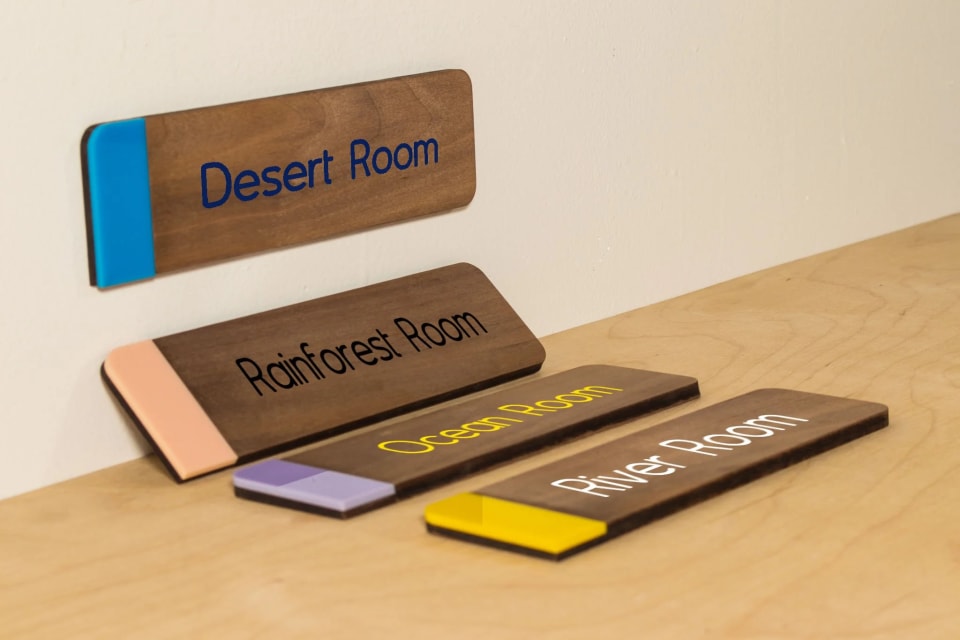
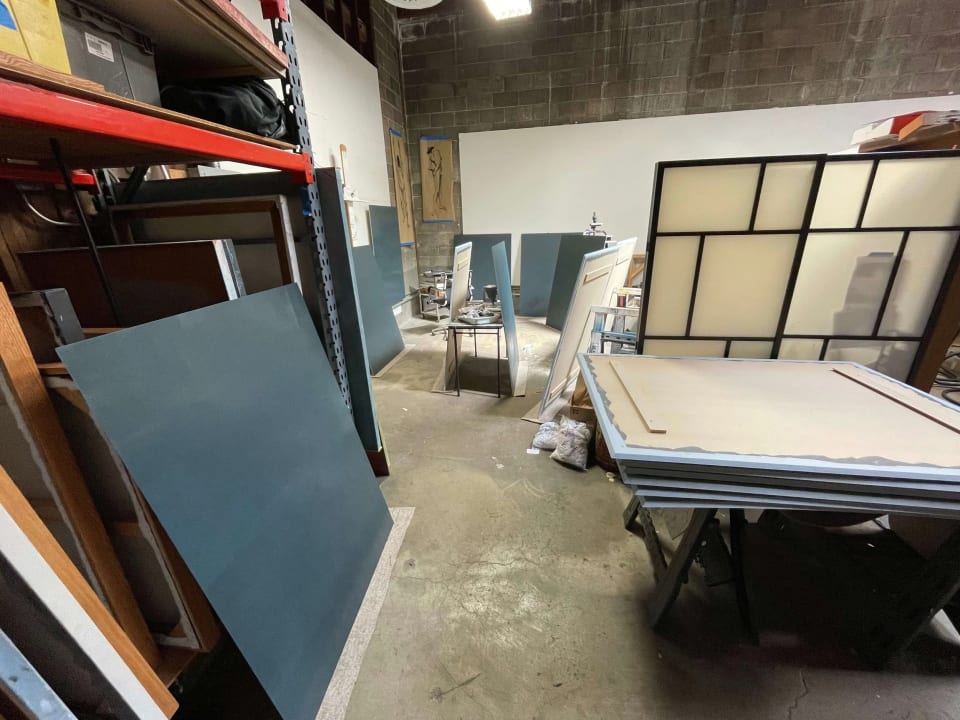
The City maintains planning and building review paths, and a broader change can require different approved inputs. The project team should classify the work before production treats it as a simple replacement.
Use stable IDs and record verified openings, retained components, final copy, artwork revision, dimensions, materials, colors, finish, mounting interfaces, quantities, and packing groups.
No. For work connected with El Segundo, LA Prime Signs provides production and fabrication from approved inputs. The customer or qualified project team handles site verification, field dimensions, code and property review, permits, engineering, electrical work, access, mounting, and installation.
No. This is a production-market guide for orders connected with El Segundo; it does not claim a branch, staffed office, local crew, pickup point, delivery route, or field-service location.
Send the approved product, quantity, final dimensions, artwork, material, finish, exposure, packaging, and installer-handoff requirements.
Production only. The customer or qualified project team handles field verification, governing approvals, code compliance, engineering, access, mounting, and installation.