
Roseville Hand-Painted Storefront: A Historical Case Study
LA Prime Signs documents this historical on-site Roseville storefront painting from a previous operating model. It is not Los Angeles-local proof; today, the relevant lessons support shop-produced painted signs and clear third-party installer handoff.
Key takeaways
- LA Prime Signs documents this historical on-site project at a mall storefront in Roseville, California; it is not evidence of Los Angeles-local work.
- Current work is production only: painted sign panels and components are prepared for customer or third-party installation, not painted or installed at the site.
- Paint can create a distinctive finish, but the substrate, primer, color coats, and protection must be specified as one compatible system.
- The customer or qualified installer supplies verified final dimensions, site criteria, mounting decisions, approvals, access planning, and installation.
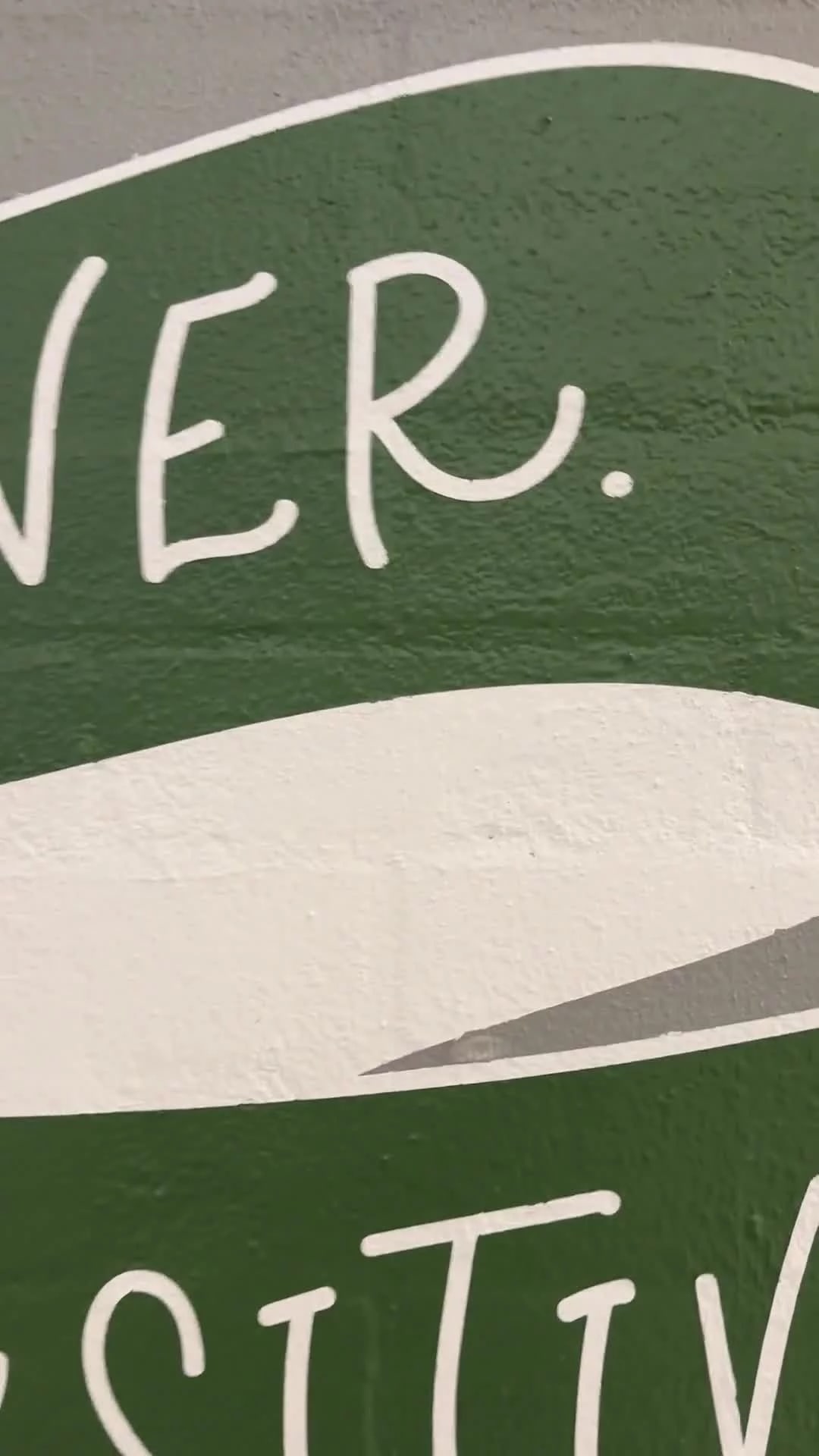
This LA Prime Signs case study documents a custom hand-painted sign completed at a mall storefront in Roseville, California. It is a historical California project, not evidence of Los Angeles-local work. The on-site painting was scheduled after the mall closed and required coordination with site management. It is work from a previous operating model, not a current offer of field painting or installation.
For current production, the transferable lessons are to approve the artwork and finish system, identify the panel substrate, and resolve final dimensions and mounting requirements before fabrication. LA Prime Signs produces sign products and components in the shop. The customer and qualified installer handle field measurements, site verification, property or jurisdiction approvals, access, mounting design, and installation.
What makes hand-painted signs different from vinyl or printed signs?
Hand-painted signs have visible brush-made character and can give a fabricated panel a finish that applied graphics do not. That does not make paint automatically better. Digital printing is often the stronger choice for photographic imagery, repeated graphics, or messaging that will change.
A useful painted-versus-vinyl overview highlights several practical distinctions:
- Appearance: Brushwork introduces small variations and texture that are part of the finished look.
- Large fields: Paint can cover a broad prepared panel without face-film seams.
- Surface options: A compatible coating system can create effects on shop-prepared substrates that are not practical with pressure-sensitive film.
- Maintenance: A painted finish may be touchable, but repairability depends on the substrate, color record, coating condition, and access.
No single lifespan applies to every painted or vinyl sign. Sun orientation, coastal exposure, inland heat, surface movement, prep, paint or film system, and maintenance all affect service life. Product-specific technical data is more useful than a universal year count.
What does the Roseville setting teach us?
A mall or managed retail property adds requirements beyond the artwork itself. On the historical Roseville job, those included a landlord-approved scope, protection for adjacent finishes, and a work window that avoided customer traffic.
For a current produced sign, the customer and installer must identify the applicable property criteria, jurisdiction requirements, verified dimensions, approved attachment detail, and access plan before installation. LA Prime Signs does not conduct site surveys, obtain permits, or coordinate field access.
For other examples whose original locations remain intact, browse the project gallery.
Why was the historical work performed after hours?
The Roseville project shows why access timing belongs in the scope from the start. Painting at an active storefront can affect walkways, customer circulation, noise, ventilation, and nearby finishes. At that site, the approved solution was an after-closing work window.
That history is not a promise of current after-hours or weekend field work. LA Prime Signs now provides production only; the customer and installer own site scheduling, access controls, and installation safety.
How customizable are hand-painted signs?
Hand painting allows a design to be fitted to a particular sign panel, but the artwork still needs discipline. Legibility at the customer-supplied viewing distance, contrast, substrate and finish compatibility, and the painter's ability to reproduce the approved design all matter.
A useful design review covers:
- brand colors and realistic paint-match expectations
- lettering style and readability at the site
- logos, illustrations, borders, and other painted details
- customer-verified scale, placement constraints, margins, and nearby architectural features
The approved proof should show the production dimensions, layout, and colors clearly enough for review before the panel enters production. It does not replace field verification or an installer-approved mounting plan.
How do you handle tight deadlines?
A painted sign is a production sequence. Artwork approval, panel preparation, primer, paint layers, cure time, and finishing all affect readiness for handoff. A rushed coating system is rarely a good trade.
To evaluate a deadline, identify:
- when final artwork and production dimensions will be approved
- the panel material, finish, and preparation required
- the intended exposure and handling requirements supplied by the customer
- when the completed sign must be ready for customer or installer handoff
Share a hard opening or event date at the beginning. Feasibility can then be assessed against the production scope without promising an unverified lead time.
How do I get started?
For current hand-painted sign production, use the project form and include:
- approved artwork or references showing the intended style
- quantity and customer-verified final dimensions
- the requested panel material, finish, and intended exposure, if known
- the needed production-ready date and installer-approved hole or edge requirements, when applicable
Those details help determine whether hand painting, applied graphics, a fabricated panel, or a combination is the sensible production fit. Final field dimensions, site conditions, mounting, structural suitability, code compliance, access, and installation remain with the customer and qualified installer.
Planning a painted sign? Request a production quote from approved specifications.
FAQ
Where was this hand-painted sign project completed?
LA Prime Signs documents this historical project at a mall storefront in Roseville, California. It is a California project, not Los Angeles-local proof.
Why choose hand-painted signs over vinyl or digital prints?
Paint can add brush-made character and may suit prepared panels or surfaces where adhesive film is a poor fit. Digital graphics are often better for photographic artwork, exact repetition, or messages expected to change. The right choice depends on the substrate, exposure, artwork, and intended service life.
Does LA Prime Signs currently paint or install signs at customer sites?
No. The Roseville storefront is a historical project completed under a previous operating model. Current work is production only; field measurements, surface preparation at the property, mounting, access, permits, and installation are handled by the customer and qualified professionals.
Why was the Roseville work completed after the mall closed?
The historical site required coordination with mall management and a work window outside customer traffic. That after-hours field work is part of the project record, not a currently offered service or scheduling promise.
How do I get a quote for a hand-painted sign?
Send approved artwork or style references, quantity, customer-verified final dimensions, the intended panel material, finish goals, and exposure information through the project form. Site verification, property approvals, mounting design, and installation remain outside the production scope.