
Window Decal Production and Application Planning
Fewer bubbles start before production: match the film to the glazing, approve the final dimensions, and give the installer a product-specific application plan.
Key takeaways
- The customer or installer must confirm the glass type, coatings, tint, site conditions, final dimensions, and inside-or-outside placement before production.
- Clean with products approved for both the glass and adhesive; residue, dust, silicone, and old glue are common bubble starters.
- The qualified installer should use the film maker’s approved alignment, liner, squeegee, pressure, and transfer-tape method.
- Wet application is not universal; use only a manufacturer-approved fluid and method for a compatible film.
- LA Prime Signs produces window graphics but does not survey, measure, prepare, or install at the site.
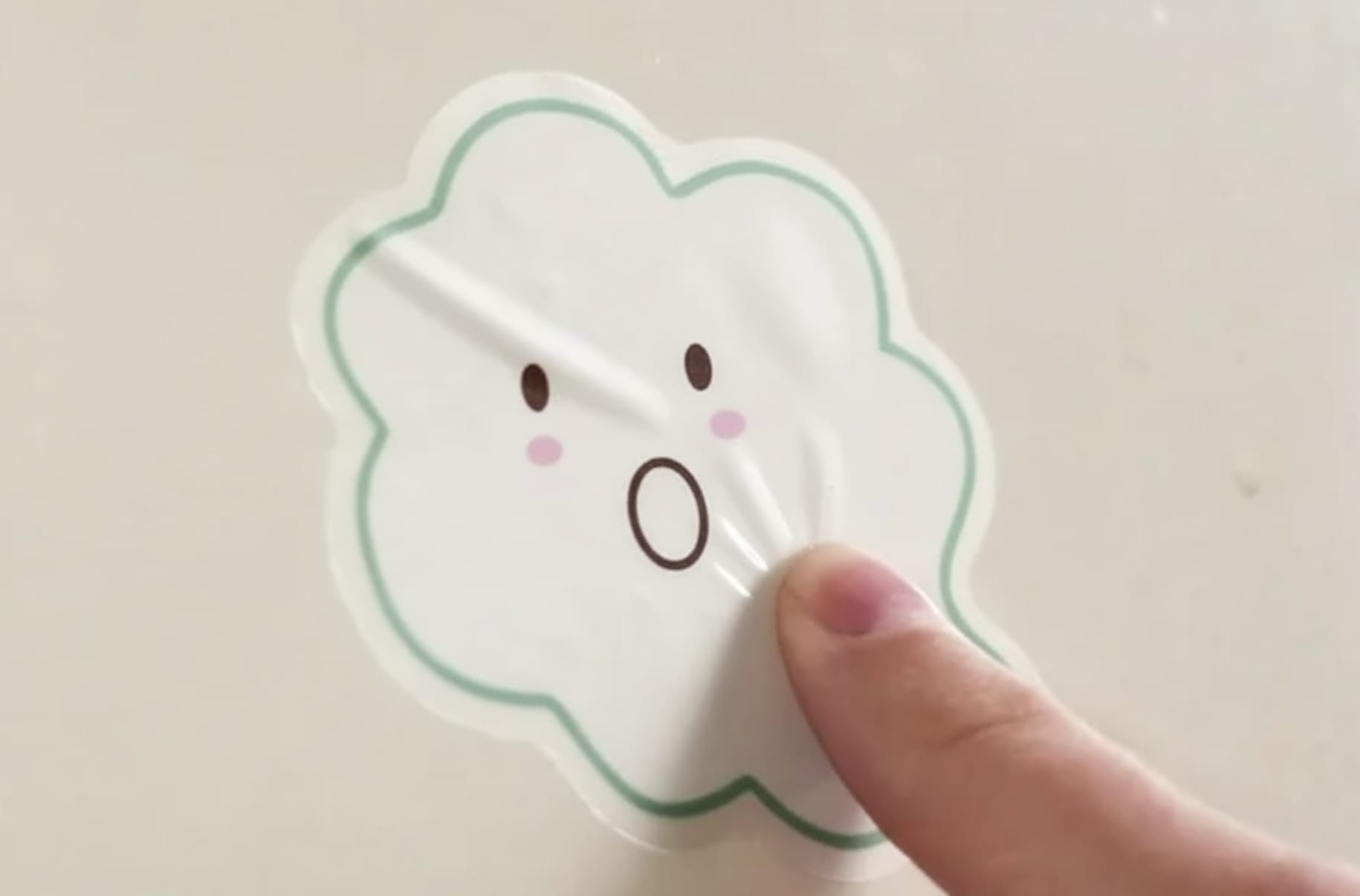
Reducing bubbles in window graphics starts with coordinated production and installer inputs: compatible film, customer-verified glazing and dimensions, accurate alignment, surface temperature, squeegee pressure, and controlled transfer-tape removal. Wet application is one possible method, not the secret answer for every film.
LA Prime Signs produces custom window decals from approved artwork and final dimensions; it does not survey, measure, prepare, or install at the site. Before production, the customer and qualified installer should read the product bulletin and confirm whether the graphic belongs on the first or second surface. Large panels, high windows, compound curves, laminated or treated glass, and vehicle windows may require a different film and a specialized installer.
Why does surface preparation matter so much?
Dust, grease, silicone, old adhesive, and cleaner residue can create visible specks, weak spots, or channels under the graphic. Start by identifying the glass and any tint, coating, or treatment that could react with cleaners or adhesives.
The installer should use the cleaner approved by the vinyl and glass manufacturers. A supplemental decal-application overview demonstrates the general clean-and-squeegee sequence, but product instructions should control the solvent and method. Testing, ventilation, protective controls, and chemical handling remain part of the installer's site plan.
Old adhesive, coating failure, or contamination must be resolved by the customer and installer with products compatible with the glazing. Open doors, fans, landscaping, and active construction can put fresh dust on apparently clean glass moments before application.
What is the wet application method?
An approved wet application introduces fluid between the adhesive and glass to provide positioning time. It can help with some compatible films on flat glass, but it also creates fluid that must be expelled and can delay bond development and transfer-tape removal.
Do not rely on a universal dish-soap recipe. The film manufacturer may specify a proprietary fluid, a precise mixture, or dry application only. A wet-method tutorial can illustrate the mechanics, but it cannot establish compatibility for an unknown commercial film.
If wet application is approved, the installer should follow the stated fluid amount, squeegee procedure, dwell time, and transfer-tape directions. More fluid does not mean more control; excess can collect at edges and extend drying.
What should an approved application plan cover?
The film maker and qualified installer should define the actual sequence. At minimum, the plan should document:
- Verified layout: Customer-approved final dimensions, orientation, first- or second-surface placement, seams, and reference points.
- Controlled alignment: A hinge or positioning method appropriate to the graphic size, film, glazing, and site.
- Liner and fluid handling: The manufacturer-approved method, including whether any application fluid is permitted.
- Pressure and exit path: The specified applicator, overlap, and direction needed to move air or approved fluid toward an open edge.
- Inspection and dwell: Edge, pocket, premask-removal, bond-development, and cleaning checks before the site returns to normal use.
Do not improvise cuts on installed glass. Oversized or pane-spanning graphics should be resolved in the approved production artwork. Curved automotive glass and windows with moving seals need film and installation methods designed for that use.
What is the proper squeegee technique?
The approved squeegee method should use overlapping strokes that keep an exit path open. Skipping around the graphic can seal a pocket in the middle. Tool edge, angle, and pressure are product-specific installer controls.
Use the edge and pressure recommended for the film and premask. A clean felt or fabric edge can protect some printed faces, while other constructions need a firm applicator. Avoid stretching the graphic to chase alignment; distortion can later pull back at letters and edges.
When should you remove the transfer tape?
Transfer-tape timing depends on whether the application was dry or wet, the adhesive, tape tack, film size, surface temperature, and humidity. Test a corner after the product’s stated dwell period. If letters lift with the tape, stop and allow more bond development or re-squeegee as directed.
When the graphic is ready, the installer should remove premask at the angle and pace specified for the film, watching small elements for lift.
Post-removal inspection should cover edges, small elements, face damage, and any product-specific re-squeegee requirement. An unprotected printed face should not be rubbed with an abrasive tool.
What temperature is best for vinyl application?
Surface temperature affects adhesive flow and film handling, but the acceptable range varies by product. Measure the glass with a surface thermometer and use the selected film’s minimum and maximum application temperatures rather than a generic range.
Los Angeles-area conditions can change across a single day. Cool or humid conditions can leave glass damp, while direct sun can quickly heat a storefront window. The customer and installer should schedule the work for dry glass within the specified range and account for glazing-specific thermal limits.
What are the most common application mistakes?
Even experienced installers can fall into common traps that compromise results:
- Assuming every film can go on wet: Fluid can interfere with products intended for dry application.
- Ignoring the glass temperature: Air temperature does not reveal a sun-heated or condensation-damp surface.
- Cleaning without a final inspection: Oils, lint, old adhesive, or airborne dust can remain on clean-looking glass.
- Removing too much liner at once: Unsupported adhesive can fold, touch down early, or collect contamination.
- Rushing transfer-tape removal: Pulling before adequate bond development can lift or distort small elements.
How do you maintain vinyl decals long-term?
Clean installed decals with the method approved for the film and any printed overlaminate. Avoid abrasive pads, blades, harsh solvents, and close-range pressure washing. Clean from the center toward edges rather than forcing water or tools against them.
Inspect storefront graphics periodically for lifting edges, cracking, impact, moisture intrusion, or fading. Heat is not a universal repair. Determine why the edge failed and follow the product repair guidance; replace the affected element when a sound repair is not possible.
Planning installer-ready window decals?
Whether the brief calls for clear window decals, cut lettering, or printed storefront graphics, the film and installer method should match the customer-verified glass, exposure, artwork, and viewing side. Use the installation-ready production and handoff guide to identify the information that must be resolved before production.
Request a window-graphics production quote with approved artwork, quantity, customer-verified final dimensions, inside-or-outside placement, glazing details, intended exposure, and any installer-approved paneling or edge requirements. Site verification, surface preparation, access, property approval, code compliance, and installation remain the customer's and qualified installer's responsibility.
FAQ
Can I use the wet method on every type of window vinyl?
No. Some films and adhesives permit a wet method, some require a specific approved fluid, and others must be installed dry. Check the current product bulletin before applying anything to the adhesive.
What should I do if bubbles appear after installation?
Restrict improvised rework and consult the film instructions and qualified installer. Some tiny moisture pockets may dissipate; other bubbles indicate trapped air, fluid, or contamination and require controlled rework or replacement. LA Prime Signs does not provide on-site troubleshooting or repair.
How long should I wait before cleaning a new decal?
Use the film manufacturer’s stated bond-development and wash time. It varies with adhesive, application method, glass temperature, humidity, and cleaning process, so a universal 24- or 48-hour rule is not reliable.
Can I apply vinyl decals to cold or hot glass?
Only within the product’s specified surface-temperature range. Do not use a heat gun as a blanket fix: uneven heating can damage film, tint, coatings, seals, or glass. Shade the window or reschedule when the surface is outside range.
What is the difference between wet and dry application?
Dry application bonds the decal directly and is common for lettering and air-egress films. An approved wet method can provide positioning time for certain films, but it adds fluid-removal and dwell requirements. Film construction, size, and product instructions determine the method.
Does LA Prime Signs measure or install window decals?
No. LA Prime Signs produces window graphics from customer-approved artwork and verified final dimensions. The customer and qualified installer handle glazing verification, field measurements, surface preparation, access, property approval, code compliance, and installation.