
Paint Adhesion on ACM Panels: Prep for Southern California Conditions
ACM paint adhesion is a coating-system problem: the exact factory face, cleaner, surface profile, primer, topcoat, cure window, and job conditions must be compatible.
Key takeaways
- Identify the ACM product and factory face before choosing any cleaner, abrasive, primer, or topcoat.
- Follow the exact panel and coating manufacturers’ TDS/SDS; there is no universal alcohol concentration or sandpaper grit.
- Prepare a clean test area and verify adhesion after the specified cure when the coating system or substrate is uncertain.
- Track air, surface temperature, humidity, and dew point against the coating data instead of using one climate window for every product.
- Choose PPE, ventilation, fire controls, and waste handling from the actual materials and application method.
- Coastal salt and moisture differ from inland heat, UV, and dust, so customer-supplied exposure information should shape the finish specification.
- LA Prime Signs provides shop production, not field coating, site surveys, on-site repair or maintenance, mounting design, or installation.
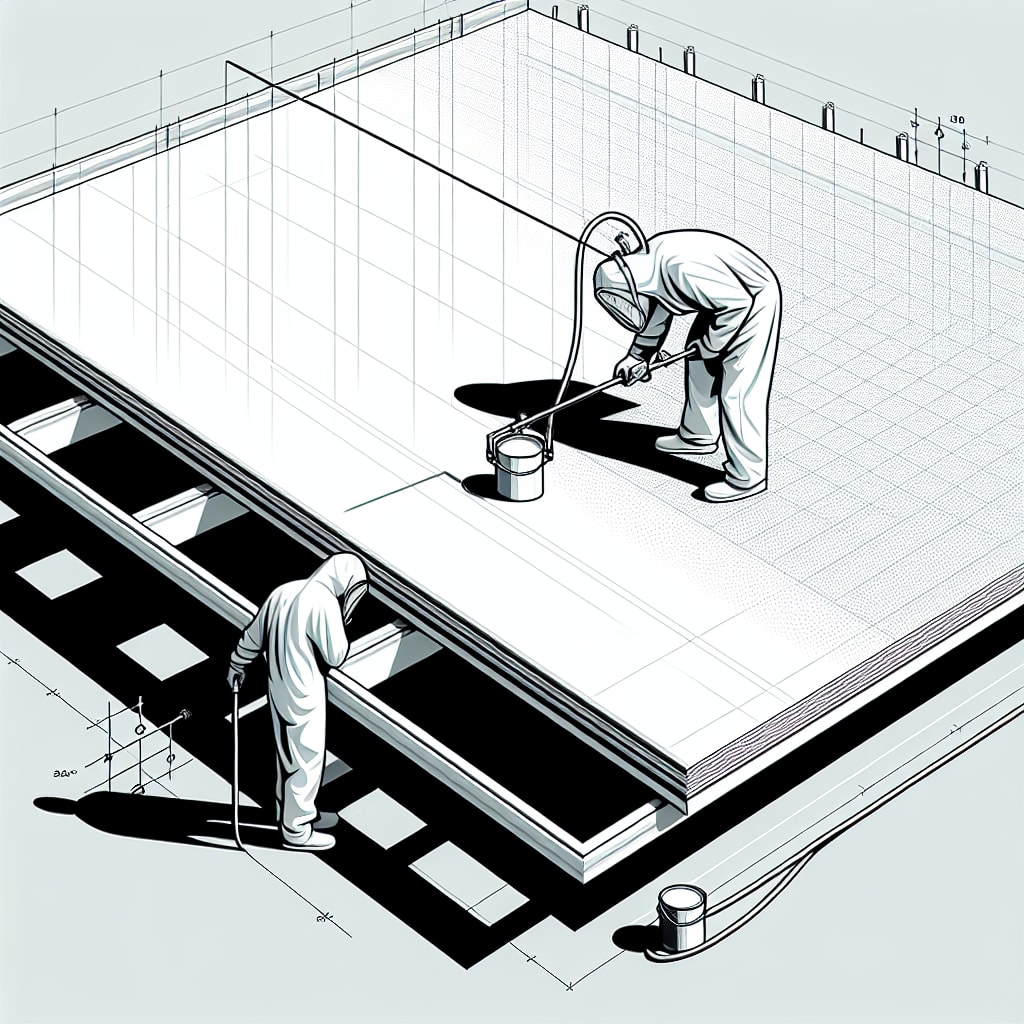
Aluminum composite material (ACM) can make a flat, stable sign face, but “ACM” does not identify one paintable surface. Products sold for aluminum composite signs may have different factory coatings, protective films, core constructions, and intended uses. A preparation method that bonds well to one face can damage or release from another.
Southern California exposure adds another variable rather than one universal regional climate. A waterside elevation may collect salt and surface moisture, while a sheltered or sun-facing panel can experience different temperatures and contamination. The customer or installer supplies verified exposure information so the panel data, shop coating system, and intended site conditions can be compared before production.
Why Does Surface Preparation Matter for ACM Panels?
ACM generally uses thin aluminum skins bonded to a core, but the skin treatment and factory finish vary. Paint adhesion occurs at that outermost layer. Oils, release residue, silicone, dust, an incompatible solvent, excessive abrasion, or a mismatched primer can weaken the bond before the finish leaves the shop.
Natural Pigments’ artist-panel guide is a useful example of cleaning and creating a controlled surface profile without exposing aluminum. It addresses a particular art-making workflow, however; it does not replace the technical data for a sign panel, factory coating, and commercial finish system.
What Are the Essential Steps for Preparing ACM Panels?
A qualification workflow should answer each of these questions in order:
- Identify the panel and finish. Record the manufacturer, product, lot or face designation, and intended interior or exterior use.
- Read the technical and safety data. Confirm approved cleaners, preparation profile, primer, topcoat, reducers, application window, recoat time, cure, PPE, and ventilation.
- Condition and inspect the sheet. Bring the surface into the specified temperature and dew-point range, remove protective film as directed, and reject damaged or contaminated areas.
- Clean with the approved method. Use clean lint-free wipes and change them often enough that contamination is removed rather than spread.
- Profile only when specified. Use the named abrasive and technique without creating deep scratches or exposing a layer the coating system was not designed to cover.
- Apply the documented system. Prime if required, observe film-build and recoat limits, and allow the specified cure before handling or testing.
- Qualify adhesion. When required by the project or when compatibility is uncertain, coat a representative sample and use the coating maker’s approved adhesion test and acceptance criteria after full cure.
Installer handoff matters too. Edge finishing, exposed cut aluminum, customer-specified holes, fasteners, sealants, flexing, and handling can undermine an otherwise sound face coating. Coordinate production with the approved assembly information described in the installation-ready production and handoff guide, not just the loose panel.
What Materials Work Best for Southern California Conditions?
The useful supply list comes from the selected products, not from geography alone:
- Manufacturer-approved cleaner and wipes that do not leave residue or attack the factory finish
- Specified abrasive or pad when the coating data calls for a particular surface profile
- Compatible primer, topcoat, reducer, and repair materials documented as one system for the intended exposure
- Clean handling materials that prevent skin oils, shop dust, or colored lint from returning to the face
- PPE and controls selected from the SDS and task assessment, including glove material, eye protection, ventilation, and respiratory protection when required
- Environmental monitoring tools for ambient temperature, panel-surface temperature, relative humidity, and dew point
If the selected coating system permits roller application, use the roller type, film build, and technique specified in its current data. Spray equipment, tip, pressure, and surface finish should likewise follow the selected system; a technique that looks smooth is not automatically the one that produces specified adhesion or durability.
How Do Southern California Site Conditions Affect ACM Prep Timing?
Measure the panel, not just the weather app. A cool sheet can remain near its dew point even as conditions change, while direct sun can heat a dark face well beyond ambient air temperature. Use the coating system’s limits for every application:
- Ambient and surface temperature: both must stay inside the TDS application and cure range; shade, sun, and stored-panel temperature can make them very different
- Relative humidity: use the coating limit and watch for changing conditions during cure, not only at the first coat
- Dew point: many coating systems require the surface to remain at least about 5°F (3°C) above dew point, but the exact TDS governs
- Salt and dust: coastal deposition and inland airborne dust are different contaminants, and both need controlled removal before coating
- Wind and airflow: keep debris off wet film and maintain ventilation without directing contaminated air across the panel
A controlled shop makes temperature, cleanliness, ventilation, and cure easier to document than field coating. LA Prime Signs does not coat panels at the job site. Any field coating belongs to the customer’s separately qualified professional, who is responsible for people and property, overspray, ignition sources, dust, weather, runoff, access, and lawful waste handling.
What Professional Standards Should You Follow?
For sign faces and display panels, build the quality record around the actual product system:
- Retain current TDS and SDS documents for the panel, cleaner, primer, topcoat, reducer, and repair products
- Obtain written compatibility guidance when the panel face or proposed coating is not clearly listed
- Document conditions and process including lot, cleaner, abrasive, mix ratio, film build where required, air and surface temperatures, humidity, dew point, and cure time
- Respect the product-specific heat limit; 175°F (80°C) is not a universal maximum for every ACM core, factory finish, adhesive, or coating
- Use the intended finish face and treat cut edges, backs, and exposed aluminum only with details approved for that product
- Check the sample and finished film using the specified adhesion method rather than judging only by appearance
For a custom aluminum sign that includes ACM, establish the finish specification before artwork approval and fabrication. That leaves time to identify the face, run a sample, resolve color and sheen, and avoid an incompatible last-minute substitution.
How Do You Maintain Painted ACM Panels Over Time?
This section is owner planning information, not an offer of on-site maintenance or repair. Care and inspection should follow the finish manufacturer, installer handoff, and actual exposure.
Maintenance should follow the finish manufacturer and the installed exposure:
- Inspect at a risk-based interval for edge lift, chips, cracks, blistering, fading, chalking, or corrosion at cuts and penetrations
- Use an approved cleaning method and test it in a discreet area; even “mild” products can be wrong for a particular coating or graphic
- Repair with compatible materials and correct the water, impact, flex, or contamination source before touching up a symptom
- Adjust for exposure: coastal faces may need salt removal more often, while inland faces may need closer attention to UV, heat, and dust
- Record inspections and repairs so recurring failures can be traced to a material, edge, fastener, elevation, or maintenance method
What Safety and Environmental Rules Apply?
Cleaning, sanding, mixing, rolling, and spraying create different exposure and environmental risks. Before work begins:
- Review every SDS and perform a task-specific hazard assessment rather than relying on a generic PPE list
- Control dust and vapors with the ventilation, containment, and ignition controls required by the product and application method
- Use respirators only within a compliant respiratory-protection program when the hazard assessment and product instructions require them
- Determine applicable air-quality, fire-code, workplace-safety, and waste rules for the shop or job-site jurisdiction and coating process
- Prevent release to soil and drains and manage used wipes, sanding debris, leftover coating, and containers according to their actual waste classification
The right controls protect workers and the site while giving the coating a cleaner, more repeatable environment. Spraying in particular may require facilities, training, and controls that a field setup cannot safely provide.
Ready to Start Your ACM Sign Project?
Good adhesion comes from a documented system, not a favorite solvent-and-sandpaper recipe. Identify the panel face, select compatible products, qualify the process, control conditions, and plan maintenance for the actual coastal or inland site.
Review ACM sign production, then request a production quote with the panel product if known, approved artwork, customer-verified final dimensions, quantity, color and finish requirements, and verified exposure conditions. Field measurements, site verification, mounting design, structural or electrical decisions, permits, code compliance, access, installation, and on-site maintenance are not included.
FAQ
What is the best cleaner for ACM panels before painting?
Use the cleaner approved for the exact factory finish and coating system. Some workflows permit isopropyl alcohol, but concentration, wipe method, cloth, and compatibility vary. Check the panel and coating TDS/SDS, test first, and do not substitute an unlisted solvent.
How do you reduce paint peeling on ACM near the coast?
Remove contamination with an approved method, use a documented compatible primer and topcoat, respect recoat and cure windows, and apply within the specified surface-temperature and humidity range. Salt exposure also calls for a maintenance plan; a “marine-rated” label alone does not prove compatibility.
What grit sandpaper should you use on ACM panels?
There is no universal grit. Some published artist-panel methods use a fine abrasive around 360 grit, while sign and industrial coating systems may specify another profile or no sanding. Follow the exact panel and coating instructions and avoid cutting through the factory finish unless the approved system calls for it.
Can you paint ACM without primer?
Only when the coating manufacturer approves direct application to that identified face and the preparation requirements are met. Other systems require a compatible primer. A small qualification panel and adhesion check after full cure can prevent a system-wide failure.
How long should ACM panels acclimate before painting?
Acclimate them until the panel surface is within the coating maker’s application range and safely above the dew point, with no condensation. The required time depends on storage, panel mass, shop conditions, and product data rather than a universal number of hours.