
Powder Coating Metal Signs: Prep, Cure and Film Build
Powder coating is a finish system, not a durability shortcut. Substrate preparation, powder chemistry, part temperature, film build, edge design, and the service environment all have to agree.
Key takeaways
- The powder manufacturer’s technical data sheet—not a generic temperature chart—sets the cure window and target film build.
- Pretreatment and edge coverage often determine corrosion performance before nominal coating thickness does.
- Saltwater proximity, orientation, shade, heat, and UV create different specification questions for Southern California projects.
- Dry-film measurements, cure records, visual inspection, and a defined acceptance sample make finish quality easier to verify.
- Powder application and curing are controlled industrial processes; confirm the current finisher, system, and capability for each project.
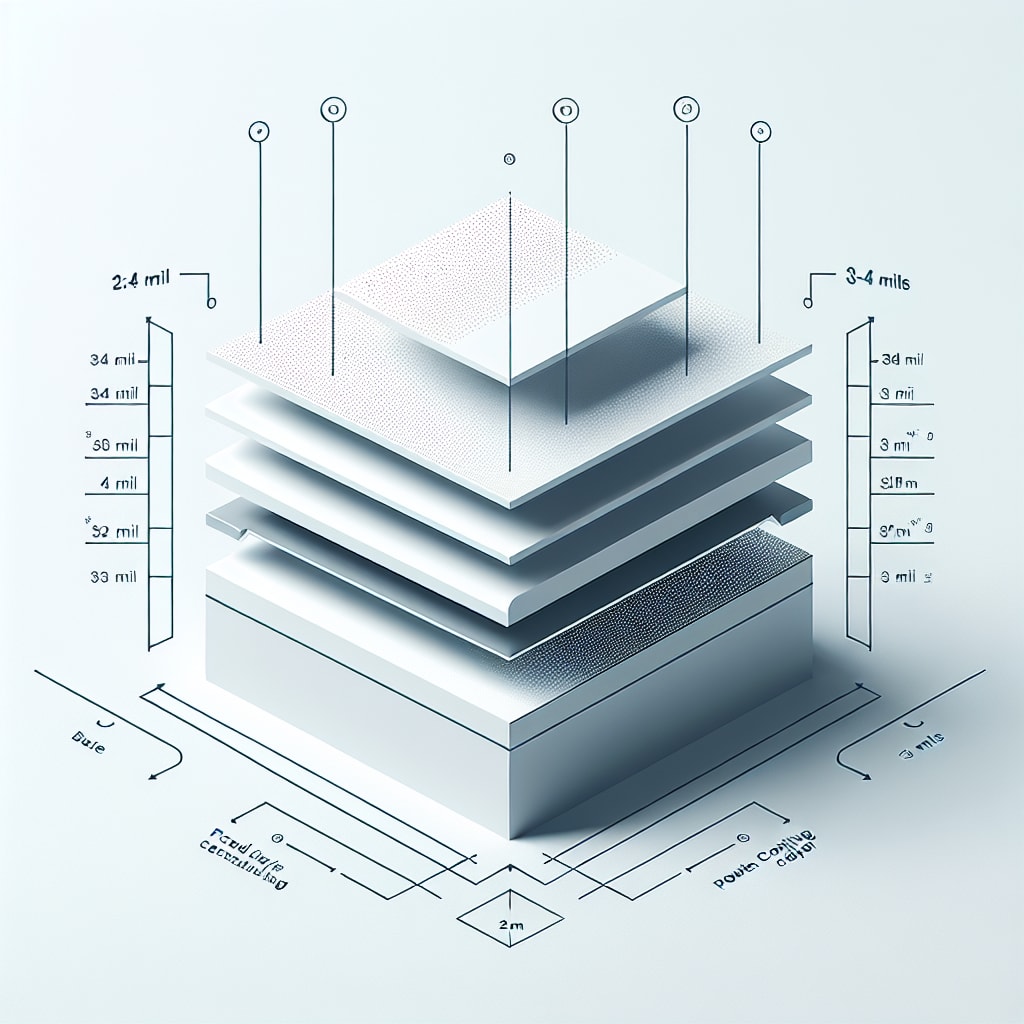
Powder coating can give fabricated metal signs, frames, letters, and brackets a consistent architectural finish. Its performance, however, comes from a controlled system. A good color applied over contaminated metal or cured outside its specified window can still fail early.
For a custom aluminum sign or steel assembly, ask what metal is being coated, how it will be prepared, which exterior powder system is proposed, and how the finisher will verify cure and coverage. Those answers are more useful than a blanket promise that powder coating is “maintenance free.”
This is production-specification guidance. LA Prime Signs does not survey sites, verify field dimensions, design structural attachments, or install finished metal signs. The customer and qualified project professionals must approve the final dimensions, exposure assumptions, mounting design, structural suitability, code requirements, access, and installation.
Why does the cure schedule matter?
Thermoset powder must reach the temperature and dwell time specified by its manufacturer so the coating can flow and cross-link as designed. The relevant value is usually the temperature of the part, not merely the oven setpoint. Thin sheet, thick plate, weldments, and mixed-mass assemblies warm at different rates.
Under-cure can leave a softer or chemically incomplete film; excessive heat or time can alter gloss, color, flexibility, or adhesion. Exact symptoms depend on the formulation, so the product data sheet and a recorded cure profile should lead the diagnosis.
Cure-schedule checkpoints
- Product identity: record the powder manufacturer, product code, lot, color, and sheen.
- Part temperature: verify how the finisher establishes when the metal enters the specified cure window.
- Part geometry: account for thick sections, enclosed shapes, welds, and areas shielded from airflow.
- Cool-down and handling: protect the finish until it is ready for inspection, packing, and assembly.
How should coating thickness be specified?
Film build affects coverage, appearance, and fit, but there is no universal outdoor-sign number. The correct range comes from the selected powder system, pretreatment, substrate, geometry, and project standard. Threaded holes, mating faces, tight returns, edges, and recessed details may need masking or special attention.
DeFelsko's powder-thickness overview explains that measurement method depends on whether the film is being checked before or after cure and on the metal beneath it. ASTM D7091 covers nondestructive dry-film-thickness measurement on ferrous and nonferrous metal substrates; a project specification should define how readings are sampled and interpreted.
Measurement and acceptance
- Use a gauge suited to the substrate and calibrate or verify it on appropriate standards.
- Take multiple readings rather than relying on one easy, flat location.
- Inspect edges, welds, corners, recesses, and attachment points visually as well as numerically.
- Approve a physical color-and-sheen sample when appearance is important; screens are not finish standards.
Too little film may leave incomplete coverage. Too much can produce poor flow, texture, fit problems, or brittleness for a particular system. “Thicker” is not a substitute for “within specification.”
How should Southern California exposure affect the finish specification?
Exposure varies across Southern California. A site influenced by saltwater aerosol may challenge cut edges, fasteners, seams, and areas that hold moisture, while a dark, sun-facing finish can see different temperature and UV conditions. Distance from the water alone does not determine severity; orientation, shelter, irrigation, pollutants, cleaning, and geometry also matter.
Site questions to answer
The customer, designer, and installer should answer these questions from verified site information before the finish is approved:
- Substrate and pretreatment: What cleaning and conversion process is specified for this alloy or steel condition?
- Powder chemistry: Is the exact product rated for the intended exterior exposure and appearance retention?
- Edges and drainage: Can water or salt collect at hems, joints, hardware, or horizontal ledges?
- Dissimilar metals: Are fasteners and attachments detailed to limit galvanic and coating damage?
- Maintenance: Can the installed sign be inspected and cleaned safely without aggressive chemicals?
For severe marine or industrial exposure, ask the project designer and coating supplier whether a tested multi-step system or another finish is more appropriate. Nominal film thickness alone cannot make that decision.
What does useful quality control include?
- Incoming-metal review: identify mill scale, oxidation, weld residue, oils, sharp edges, and prior coatings.
- Pretreatment record: document the preparation sequence appropriate to the substrate and powder system.
- Application control: monitor booth conditions, grounding, powder handling, and coverage on complex geometry.
- Cure verification: compare the recorded part-temperature profile with the product data sheet.
- Final inspection: review color, gloss, texture, coverage, dry-film thickness, damage, and any specified adhesion or performance test.
Acceptance criteria should be agreed before production. A named sample, viewing distance, lighting condition, measurement plan, and repair procedure prevent “looks close enough” from becoming the only standard.
What capability and equipment should be confirmed?
Powder coating uses electrostatic application, airborne combustible material, pretreatment chemistry, and curing heat. It belongs in a purpose-designed operation with trained personnel, appropriate ventilation and collection, grounding, fire controls, handling procedures, and equipment large enough for the complete part.
Confirm whether the current project will be coated in-house or by a specialty finisher, along with maximum part dimensions, masking needs, color availability, batch limits, inspection methods, and repair policy. Do not assume a sign company owns a particular oven or is certified for a particular architectural system unless that capability is documented.
What common defects should be investigated?
- Orange peel or poor flow: compare film build, cure profile, powder condition, and application setup.
- Pinholes or outgassing: review casting porosity, trapped contamination, pretreatment, and pre-bake requirements.
- Poor adhesion: examine cleaning, pretreatment, cure, incompatible prior coatings, and handling damage.
- Thin edges or recesses: evaluate part geometry, electrostatic behavior, gun access, and finishing sequence.
- Early corrosion: look for cut-edge exposure, damaged coating, water traps, dissimilar metals, and unsuitable system selection.
Repairs should follow the coating supplier's approved method. A liquid touch-up may protect a small damaged area, but it may not match the powder's gloss, texture, or weathering.
Are environmental benefits automatic?
No finish is environmentally preferable in every project. Powder systems can avoid the liquid carrier used by many wet paints, and some operations recover overspray, but the full comparison also includes pretreatment chemicals, waste, cure energy, rejected parts, transport, maintenance, and usable life. “Zero VOC,” “recyclable overspray,” and “eco-friendly” should not be applied to every facility or formulation without product- and process-specific evidence.
A durable, repairable sign that is correctly specified may avoid premature replacement. That is a useful lifecycle goal, but it is not a measured carbon claim.
How should powder-coated signs be maintained?
Follow the powder manufacturer's cleaning guidance. In general, inspect for chips, edge damage, corrosion staining, loose hardware, and deposits; use a compatible mild cleaner and soft tools; rinse residues; and avoid abrasive pads or unapproved solvents. Coastal sites may need deposit removal based on observed buildup, while inland signs may deserve closer review for heat- and UV-related appearance change.
Do not promise a fixed service life. Alloy, preparation, powder chemistry, color, orientation, damage, maintenance, and exposure all change the outcome.
How should a powder-coated sign be scoped?
Provide the metal type, customer-approved dimensions, weld and edge details, color and sheen target, interior or exterior use, customer-supplied site photos, coastal or inland exposure, and any required finish standard. Also identify areas that must remain uncoated for bonding, grounding, threads, or assembly.
To compare a powder-coated option with another metal-sign finish, request a metal-sign production quote. Availability and the final coating specification must be confirmed for the actual part and finisher before they become project commitments; field verification, mounting, permitting, and installation remain outside the production scope.
FAQ
What temperature is needed to cure powder coating on a metal sign?
There is no single temperature for every powder. Follow the coating manufacturer’s technical data sheet, which normally specifies a time at part-metal temperature. Oven air temperature alone does not prove that a heavy or complex part has received the required cure.
How thick should powder coating be on an outdoor sign?
Use the powder maker’s range and the project specification. More is not automatically better: insufficient film can leave weak coverage, while excess film can affect flow, texture, fit, and adhesion. Measure representative faces and difficult edges with a suitable calibrated gauge.
Does a Southern California sign simply need a thicker coat?
Not necessarily. Coastal exposure may require a better-matched pretreatment and exterior coating system, careful edge and fastener details, and a realistic cleaning plan. Extra thickness alone cannot correct contamination, poor preparation, trapped water, or incompatible metals.
What causes orange peel or pinholes in powder coating?
Possible causes include powder formulation, film build, flow and cure conditions, application setup, contamination, poor grounding, or gases leaving a porous substrate. Diagnose the process records and sample rather than assigning every defect to temperature.