
Raceway Wiring for Channel Letters: Planning and Safety
A raceway can consolidate channel-letter support, wiring, power components, and wall penetrations, but it does not make electrical or structural requirements disappear. Good planning defines the listed system, qualified scope, facade details, and service path before fabrication.
Key takeaways
- A raceway can reduce facade penetrations and create one serviceable assembly, but its structure and electrical configuration remain project-specific.
- The customer and qualified professionals must confirm the sign’s listing or labeling path, approved components, adopted electrical code, permits, and responsible trades before fabrication.
- Internal wire organization, separation, strain relief, grounding and bonding, drainage, and service access should follow the approved sign system—not a generic diagram.
- Customer-verified wall conditions, landlord criteria, power location, access requirements, and raceway appearance affect the scope as much as letter layout.
- Saltwater proximity, orientation, shelter, and temperature create different enclosure, fastener, sealing, and maintenance questions across Southern California.
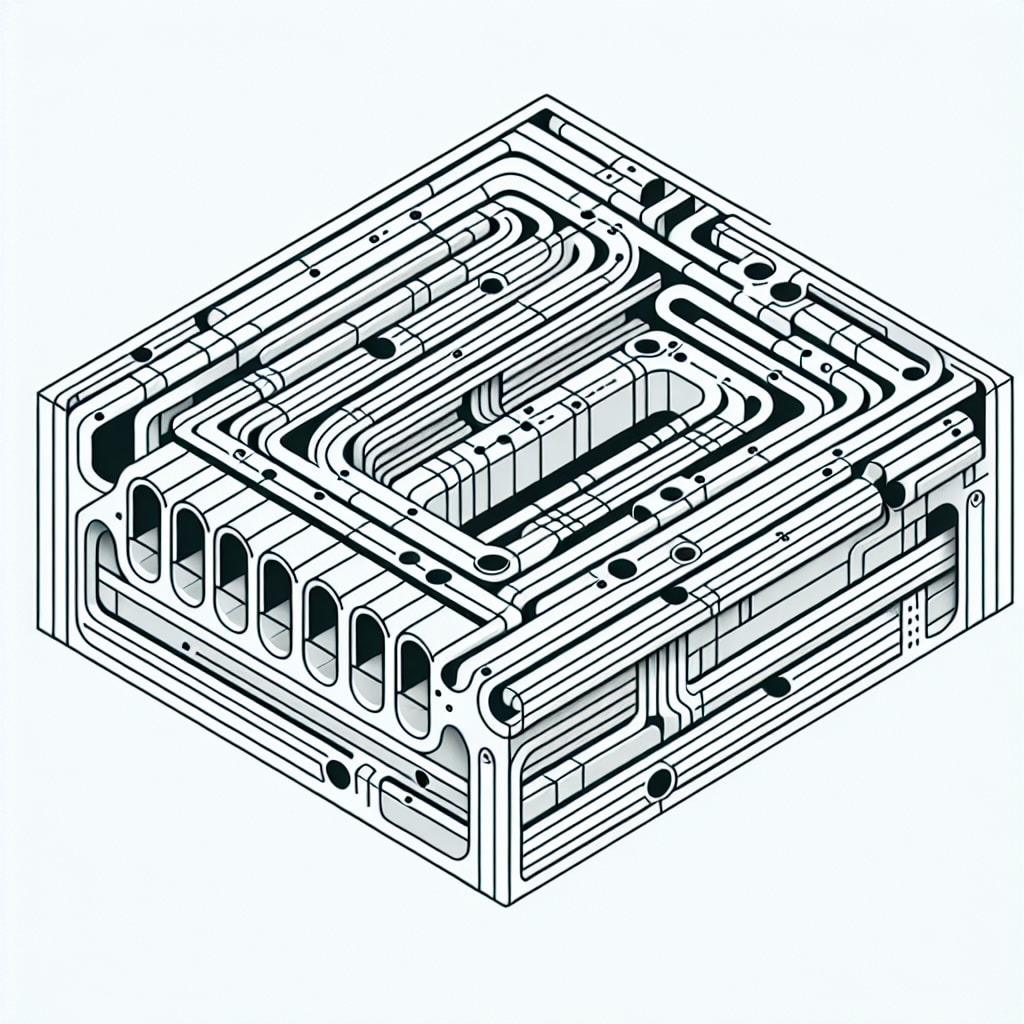
Raceway-mounted channel letters can simplify a difficult storefront installation by combining the letter set, electrical components, and mounting interface into one coordinated assembly. That can reduce penetrations and improve service access. It can also create a bulky, hard-to-service, or noncompliant sign if the enclosure is treated as a generic metal box.
This article is planning guidance, not wiring instructions. Electric signs involve shock, fire, fall, structural, and facade-waterproofing hazards. Design, fabrication, branch-circuit work, connection, listing or field evaluation, installation, permits, and inspection must be assigned to appropriately qualified parties for the project.
LA Prime Signs is a production shop, not an electrical or field-service contractor. Any quoted work is limited to non-energized sign products or components expressly confirmed in the written production scope. The shop does not survey the facade, verify field dimensions, design structural attachment, perform electrical work, obtain permits, coordinate access, or install a raceway.
What is a raceway and what does it change?
A raceway is typically a fabricated enclosure or structural support mounted to the building with channel letters attached to its face. Depending on the evaluated system, it may house power supplies, secondary wiring, terminals, grounding and bonding provisions, disconnect-related components, drainage, and service access.
Compared with individually mounted letters, a raceway may reduce the number of wall penetrations and make future removal simpler. It also projects farther from the facade and remains visually present behind the letters, so proportion, location, and finish belong in the design review.
Which components and records belong in the approved system?
Do not build a shopping list from an online wiring sketch. The project package should identify the complete sign system and the components permitted within it, along with manufacturer instructions and the applicable listing or labeling documentation. Review items may include:
- Enclosure and access: metal, dimensions, covers, drainage, ventilation where required, and service clearances.
- Illumination system: approved modules or lamps, power supplies, connectors, conductors, and loading limits.
- Protection: grounding and bonding, conductor protection, strain relief, bushings or raceways at penetrations, and separation from sharp edges.
- Installation interface: mounting pattern, substrate-specific attachment design, penetration sealing, power entry, and any required disconnect or branch-circuit provisions.
- Documentation: wiring diagram, component schedule, labels, installation instructions, service information, and inspection records.
UL Solutions describes UL 48 and its electric-sign certification programs. The required standard, listing, label, evaluation, and installation path still has to be confirmed with the project team and authority having jurisdiction.
How should code and listing questions be handled?
Electric-sign rules are not frozen to one internet article or one edition year. Confirm the electrical code edition adopted at the address, local amendments, sign and building permits, required inspections, property criteria, and who is responsible for each submission and connection. Requirements can differ among Southern California jurisdictions and between tenant work and a landlord's base-building scope.
Terms such as “UL Listed,” “UL Recognized,” “field evaluated,” and “code compliant” are not interchangeable marketing phrases. Preserve labels, follow conditions of use and installation instructions, and do not substitute components without checking how that change affects the evaluated assembly.
Electrical and site-safety boundary
- Do not open, troubleshoot, modify, or energize a raceway unless you are qualified and authorized for that work.
- De-energization, lockout or other energy-control procedures, testing, and PPE must follow the employer, equipment, and applicable safety requirements.
- Elevated access, public protection, utility location, facade drilling, and structural attachment require their own competent planning.
- Visible damage, heat discoloration, water entry, repeated tripping, flicker, odor, or loose components are reasons to isolate the area and request qualified assessment—not to try a generic repair.
What does orderly raceway wiring accomplish?
Organization supports inspection and serviceability. Conductors should follow the approved diagram, remain protected from abrasion and pinch points, respect required spacing and bend limits, and be secured with methods allowed by the system. Connections and power components should remain identifiable and accessible without crowding covers or obstructing drainage and required ventilation.
Clean routing is not permission to invent a color-code convention or field splice method. Conductor type, size, polarity, connectors, power-supply loading, grounding and bonding, overcurrent protection, and separation requirements come from the approved design, equipment instructions, and applicable code.
Which materials and details suit the actual Southern California site?
Material selection should reflect both exposure and the evaluated sign construction:
- Coastal exposure: review enclosure finish, fastener compatibility, cut edges, salt accumulation, drainage, seals, and a safe cleaning plan.
- Inland heat: evaluate solar gain, enclosure color, component temperature limits, clearances, and service access; a dark raceway on a west-facing wall may run hotter than a shaded one.
- Facade conditions: identify stucco, concrete, masonry, metal panel, sign band, cavities, membranes, and concealed utilities before attachment design.
- Water management: do not rely on a bead of sealant as the entire design. Penetrations, drainage, compatible materials, and maintainable joints need a coordinated detail.
“Marine grade” is too vague to specify a complete system. Name the alloy, fastener, coating, sealant, gasket, or other product and verify that it is permitted by the sign design and appropriate for adjoining materials.
What should happen before fabrication and installation?
A useful preproduction sequence focuses on decisions and handoffs:
- Supply verified site information: the customer or qualified installer records final dimensions, substrate, sign-band limits, existing penetrations, power information, access, and viewing conditions.
- Confirm approvals: the customer and responsible professionals obtain landlord criteria and determine applicable sign, building, and electrical review with the correct jurisdictions.
- Define responsibility: identify who engineers attachment if needed, who fabricates and labels the sign, who provides the branch circuit, who installs, and who makes the final electrical connection.
- Coordinate the shop package: approve letter and raceway layout, finish, mounting, wiring documentation, component access, and packing or lifting plan.
- Plan inspection and closeout: preserve labels, test through the qualified process, record changes, and provide service documentation.
The installation-ready production and handoff guide explains how customer-verified dimensions and installer-approved specifications move into production. It does not provide a site survey, electrical review, permit service, or installation scope.
How should future service be planned?
Locate covers and components so an authorized technician can reach them with the expected access method. Keep diagrams and labels legible. Make fasteners, seals, gaskets, drain paths, and finish damage inspectable. Document component substitutions and repairs so the next service visit is not forced to reverse-engineer the system.
Maintenance frequency depends on equipment instructions and observed conditions. Coastal salt, irrigation, nesting, debris, heat, vandalism, and repeated access can change what the enclosure needs. Never pressure-wash electrical openings or treat a leak as a cosmetic caulk-only problem.
What about local permits and property criteria?
The address determines the jurisdiction and adopted requirements. Illuminated signs may involve separate sign, building, and electrical questions, plus landlord or master-sign-program rules. Some projects may require drawings, structural information, energy or lighting documentation, inspections, or qualified electrical work; the exact package must be verified for the sign and site.
Do not promise permit approval, an exemption, or a review time based on a generic article. Gather the address, property contact, existing electrical information, proposed dimensions, mounting concept, and illumination details, then confirm the path with official agencies and responsible professionals.
Why does coordinated scope matter?
A raceway can be a practical mounting strategy, but only when visual design, structural attachment, weather detailing, listed construction, electrical work, and service access are treated as one system. Solving those pieces separately often creates conflicts at the wall.
Review dimensional sign-component production. If the qualified project team has approved a non-energized component package, request a production quote with customer-verified dimensions, artwork, finish, component drawings, and written handoff specifications. The customer, engineer, electrician, authority having jurisdiction, and installer remain responsible for the facade, mounting, electrical system, permits, code compliance, access, inspection, and installation.
FAQ
What is a raceway on a channel-letter sign?
It is an enclosure or support assembly behind the letters that can contain wiring and power components while carrying the letter set. Exact construction, access, mounting, and electrical details depend on the evaluated sign system and building.
Who should wire and connect an illuminated raceway sign?
Use parties qualified and authorized for the applicable sign and electrical scope. Licensing, permits, inspection, disconnects, branch-circuit work, and final connection requirements depend on the jurisdiction, adopted code, and project responsibilities.
Does using listed components make the complete sign code compliant?
Not by itself. Component status, the complete sign listing or labeling path, installation instructions, branch circuit, grounding and bonding, penetrations, attachment, and local inspection all matter. Do not assume individually recognized or listed parts automatically approve an assembled field system.
How does Southern California exposure affect a raceway?
A coastal site may need closer attention to salt deposits, corrosion at hardware, and water entry. An inland, sun-facing enclosure may see greater heat cycling. The actual facade, orientation, drainage, materials, and maintenance access should drive the detail.