
Recycled and Upcycled Signage: A Lifecycle Guide
A lower-waste sign is not defined by one “green” substrate. Material origin, useful life, repairability, update strategy, finishes, transport, and what can actually happen at end of use all belong in the decision.
Key takeaways
- Ask for documented recycled content, source, finish, and recovery route instead of treating “recycled” and “recyclable” as interchangeable.
- Durability and repairability matter: a short-lived reclaimed material can create more replacement work than a well-matched conventional substrate.
- Reusable frames, replaceable message panels, and separable hardware can reduce waste when information changes.
- Saltwater proximity, sun, shade, irrigation, handling, and maintenance access should shape any Southern California material decision.
- Environmental claims need a defined boundary and evidence; appearance alone does not prove a lifecycle benefit.
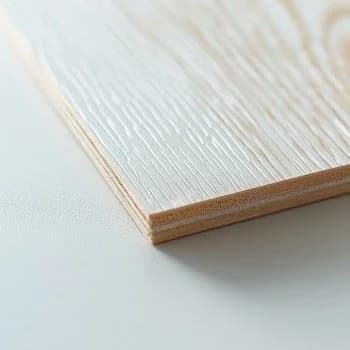
Recycled and upcycled signage can be a thoughtful material choice, a practical reuse strategy, or merely a rustic look with an unsupported environmental story. The difference is evidence and fit. A salvaged board that decays quickly outdoors is not automatically a better lifecycle decision than a durable panel that can be updated several times.
For Los Angeles and Southern California projects, start with the sign's job, exposure, intended use period, and update cycle. Then ask which documented material and construction strategy can meet those needs with less unnecessary replacement.
LA Prime Signs can evaluate production from customer-approved artwork, dimensions, and material requirements. It does not survey the site, certify reclaimed material for structural use, design mounting, remove an existing sign, or install the new one. Those field, structural, code, access, and installation decisions remain with the customer and qualified professionals.
Which environmental benefits can actually be supported?
Define the comparison before claiming a benefit. “Made with recycled content” describes input. “Recyclable” describes a possible end-of-life pathway. “Reused” describes another use cycle. None alone proves lower emissions, lower total waste, or a better complete sign.
Waste prevention and reuse
The clearest waste-reduction opportunity is often keeping useful material or hardware in service. Reusing an existing frame, designing replaceable inserts, preserving sound posts, or separating graphics from a durable backer can avoid rebuilding the whole sign when a tenant, price, room name, or campaign changes.
Document what can be separated and how. A theoretically recyclable panel laminated to mixed films, foam, adhesive, and hardware may not have a practical local recovery path.
Energy, emissions, and sourcing claims
Those claims require product- and process-specific data. Feedstock, recycled-content percentage, manufacturing location, fabrication yield, finishing, freight, installation, maintenance, useful life, and end-of-life all affect the comparison. Do not borrow a statistic about one resin, alloy, or factory and apply it to a complete sign.
The Association of Plastic Recyclers publishes resources about plastics recycling, but local acceptance still depends on the exact resin, additives, films, adhesives, dimensions, and recovery program. A recycling symbol is not confirmation that a local facility will accept a finished sign.
Which recycled or reclaimed materials can work for signs?
- Recycled-content aluminum: useful for many rigid panels and fabricated parts when alloy, gauge, temper, finish, edge details, and exposure are specified. Ask for content documentation rather than assuming every aluminum sheet has the same recycled percentage.
- Reclaimed wood: can provide real character, but inspect for moisture, checking, fastener damage, insects, unknown coatings, contamination, and movement. Old painted wood may require hazardous-material evaluation before sanding or cutting.
- Certified wood products: certification can document a sourcing system, but it does not replace exterior-grade selection, finish compatibility, maintenance, or chain-of-custody requirements for a project claim.
- Recycled-content plastics or composites: verify resin or product identity, outdoor rating, thermal movement, UV behavior, fastener guidance, and whether the finished assembly has a credible reuse or recovery route.
- Reused frames and hardware: inspect structural condition, corrosion, attachment, finish, dimensions, and code or accessibility implications before adapting them to a new message.
A coastal site may punish exposed steel hardware or absorbent reclaimed wood differently from an inland site exposed to intense sun and heat cycling. Material romance does not override salt, water, UV, fire, structural, or maintenance requirements.
Does a lower-waste approach cost more?
It can cost less, more, or simply move cost from raw material to labor. Salvage may require deconstruction, sorting, cleaning, testing, storage, and custom detailing. Certified or traceable products may have procurement constraints. A reusable frame may cost more initially but avoid rebuilding during later message changes.
Compare at least these items:
- material and documentation
- design and engineering when needed
- cleaning, preparation, and safe handling
- fabrication yield and unusable offcuts
- finish and production packaging, plus separately procured installation and maintenance
- update, disassembly, reuse, and disposal
Do not promise savings, a payback period, or material availability until the actual source and scope are quoted.
How should environmental messaging be written?
Use narrow, verifiable language. “Panel contains X% post-consumer recycled material according to the manufacturer's documentation” is more useful than “eco-friendly sign.” If only the panel is documented, do not imply that inks, coatings, adhesives, structure, lighting, installation, or the whole project share that attribute.
Keep source records with the project: manufacturer data sheets, invoices, certifications, finish information, and the date and market for any claimed recovery route. Avoid predicting how customers will respond or saying the material reduces a carbon footprint without a defined comparison and evidence.
Where can upcycling add useful design value?
Reclaimed wood, existing metal panels, old sign cabinets, and salvaged architectural pieces can carry texture and history that new material does not. They work best when the provenance is known, the business wants that variation, and the material can be prepared and mounted safely.
- Use variation intentionally: approve range samples for grain, patina, dents, color, and prior marks.
- Keep critical text legible: a lively surface should not swallow contrast or letter edges.
- Design for replacement: put changing information on a removable layer rather than repainting the reclaimed base repeatedly.
- Preserve truth: do not invent a local or historic origin for salvaged material whose source is unknown.
Upcycling is a production method, not a guarantee of a one-of-a-kind marketing result. Availability, permissions, hidden coatings, and usable dimensions may limit the concept.
How should a recycled-material sign project begin?
Define the intended use, dimensions, viewing conditions, design life, update frequency, coastal or inland exposure, mounting, maintenance access, required documentation, and which environmental claim—if any—the business wants to support. Then compare complete assemblies, not material labels.
For example, a modular frame with replaceable aluminum sign panels may be a better reuse strategy than permanently bonding every layer together. In another project, preserving an existing sound cabinet may matter more than specifying a novel substrate.
Request a production quote with the project goals, customer-verified dimensions, approved artwork, desired material story, and documentation requirements. Current sourcing, fabrication capability, environmental attributes, and realistic end-of-life options must be verified before they appear in a proposal or public claim; removal, field verification, mounting, and installation are not included.
FAQ
What makes a recycled or upcycled sign material credible?
Look for product-specific documentation: material identity, recycled-content percentage and type, source or chain-of-custody information where relevant, finish system, expected use, and a realistic local reuse or recovery route.
Are reclaimed materials durable enough for commercial signs?
Some are, but prior use does not establish future performance. Inspect the material, identify old coatings and contamination, and match strength, moisture movement, corrosion, finish adhesion, mounting, and exposure to the actual sign.
Does recycled signage cost less?
Not predictably. A commodity recycled-content panel may price competitively, while salvage sorting, cleaning, testing, custom fabrication, documentation, or limited availability can add cost. Compare the complete produced assembly along with separately scoped installation and maintenance.
Can a sign be called sustainable because one part is recyclable?
That is usually too broad. State the supported fact narrowly—for example, the documented recycled content of a panel—and account for coatings, adhesives, mixed materials, local acceptance, useful life, and disassembly before making a wider claim.