
Production Only
Printing, cutting, fabrication, painting, finishing, assembly, labeling, and packaging begin with an approved production specification.
Redondo Beach service-area production guide—not a branch, code interpretation, banner-permit agent, engineering firm, or installer.
Redondo Beach sign production should reflect the City's sign regulations and a separate approved schedule for permanent components, freestanding interfaces, or banners.
Production and fabrication only. The customer or qualified project team confirms field dimensions, site conditions, approvals, mounting, access, and installation.
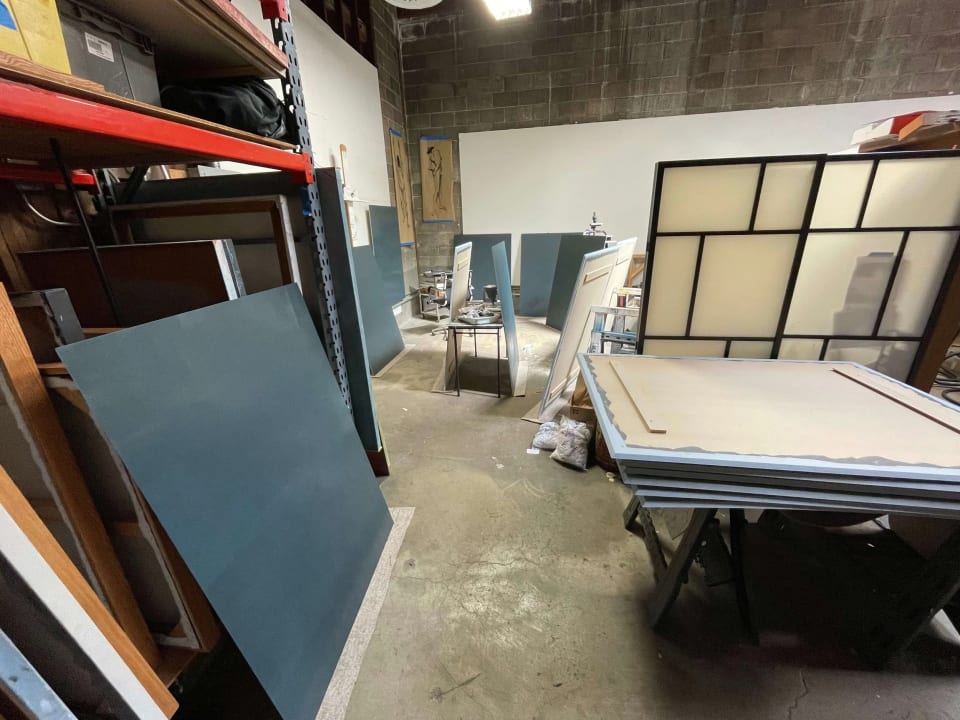
Printing, cutting, fabrication, painting, finishing, assembly, labeling, and packaging begin with an approved production specification.
The customer or qualified project team verifies the parcel, governing authority, property rules, permits, and any professional review before release.
Finished components can be labeled and packaged to the approved schedule; field measurements, mounting, access, and installation remain outside shop scope.
Banners finished to approved specifications.
Graphics produced for third-party application.
Panels produced to approved dimensions.
LA Prime Signs does not perform site surveys, field measurements, permit handling, code review, engineering, electrical work, mounting design, installation labor, or installer scheduling.
The customer or qualified project team must resolve those items and provide the final approved inputs used for production. Start with the artwork setup guide and installer-ready handoff requirements.
Address to approved specification
For Redondo Beach storefront or freestanding work, begin with the approved sign area, dimensions, facade or support relationship, materials, finish, illumination status, and property criteria. Qualified parties supply any footing, structure, wind, and attachment information.
For banners and applied graphics, use a separate schedule with approved display dimensions, quantity, material, opacity, artwork orientation, seams, edge finishing, hardware requested, application surface, panel order, and labels.
Show the approved sign area and dimensions on a facade elevation, then detail letters, panels, cabinets, returns, backs, colors, finish, and illumination status. Installer-supplied attachment, pattern, raceway, backing, or surface details should be included when they change shop work.
Provide the approved face or cabinet dimensions, support relationship, retainers, access, material, finish, and connection points. Qualified parties supply footing, structural, wind, site-placement, and mounting information; production fabricates only to the relevant approved interfaces.
Specify finished dimensions, quantity, material, opacity, edge finishing, artwork orientation, panel seams, application surface, and labels. The customer or installer confirms supports, placement, access, and field conditions. Keep temporary graphics distinct from permanent sign-area calculations and construction drawings.
Drawing and handoff coordination
Do not import a temporary banner's assumptions into permanent sign drawings. Keep the confirmed City category and approval reference on each schedule so duration, material, support, and construction are not mixed.
For freestanding components, connect the shop-built face or cabinet to the approved support only through qualified interface information. Site placement, footings, structural design, access, mounting, and installation remain outside production.
Record the final dimensions, copy, artwork revision, material, finish, construction, quantities, and every qualified field interface that affects production.
Check scale, critical details, seams, edges, patterns, component breakdown, color references, and labels—not only a reduced visual proof.
Match piece marks, protective layers, patterns, loose components, and packing groups to the approved sign IDs and third-party installer sequence.
Before approving production, use this city-specific list alongside the current official source and the project team's final field information.
Official local context
Redondo Beach Municipal Code Article 6 contains the City's sign regulations. The project team should confirm the current sign category, location, size, property criteria, and approval path before converting a concept into fabrication dimensions.
The City also publishes a temporary-banner application, reinforcing that temporary display work should be documented separately from permanent storefront or freestanding components. The current form and requirements must be checked for the actual proposal.
Production gate: Keep permanent and temporary scopes separate and use the current Redondo Beach sources. LA Prime Signs does not interpret the code, submit banner or sign applications, design supports, or perform installation.
Supports: Provides Redondo Beach's municipal sign-regulation framework.
Checked:
Supports: Provides the City's application materials for temporary banner proposals.
Checked:
Materials and finished details
Use these sign and process details to discuss material, finish, legibility, and handoff requirements. The images illustrate production capabilities; they are not city-location claims.


The City publishes a specific temporary-banner application, while permanent signs are addressed through the broader sign regulations. The project team should keep category, duration, dimensions, supports, and approval records distinct.
Provide the approved dimensions, materials, finish, retainers, access, illumination status, support relationship, and qualified interface points. Footings, wind, structure, placement, mounting, and installation stay outside shop scope.
No. For work connected with Redondo Beach, LA Prime Signs provides production and fabrication from approved inputs. The customer or qualified project team handles site verification, field dimensions, code and property review, permits, engineering, electrical work, access, mounting, and installation.
No. This is a production-market guide for orders connected with Redondo Beach; it does not claim a branch, staffed office, local crew, pickup point, delivery route, or field-service location.
Send the approved product, quantity, final dimensions, artwork, material, finish, exposure, packaging, and installer-handoff requirements.
Production only. The customer or qualified project team handles field verification, governing approvals, code compliance, engineering, access, mounting, and installation.